 Pin
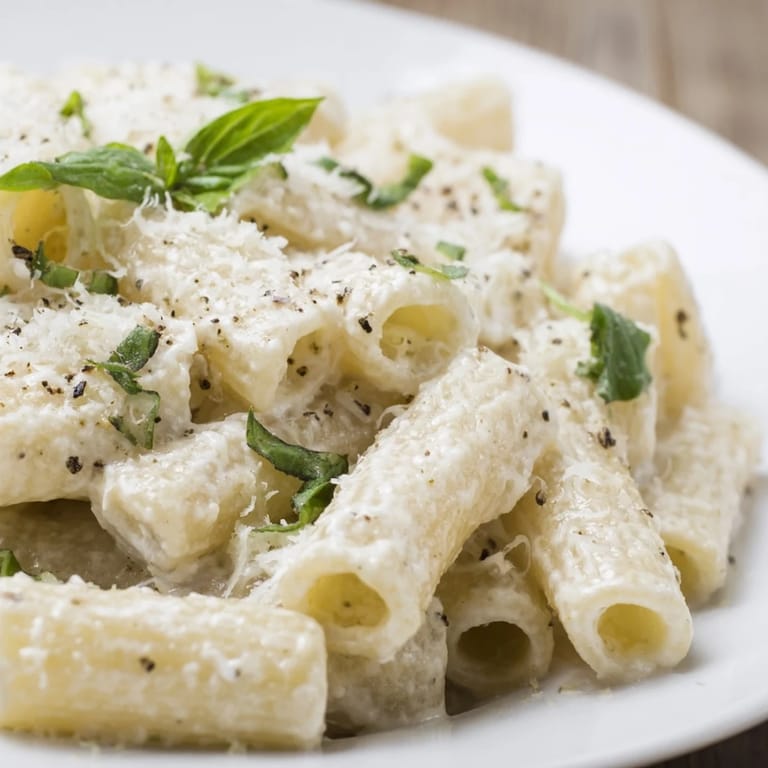
Pin I discovered this pasta by accident during a rushed Tuesday evening when I had cottage cheese sitting in my fridge and absolutely no inspiration. My friend had mentioned something about a viral pasta trend, and I thought, why not blend what I had and see what happens? That first bowl was genuinely surprising—creamy, protein-packed, and ready in less time than it takes to order delivery. Now it's become my go-to when I need something that tastes indulgent but won't make me feel heavy.
I made this for my roommate on a night when she'd complained about her usual chicken-and-broccoli getting boring. She took one bite and looked genuinely shocked that cottage cheese could taste this good. Now whenever I'm cooking it, she appears in the kitchen asking if she can stay for dinner. It's become our thing.
Ingredients
- Pasta (180 g penne, rigatoni, or spaghetti): Shapes with ridges or tubes hold the sauce beautifully, so skip spaghetti if you want maximum coating.
- Cottage cheese (200 g): This is your sauce base, and blending it smooth is non-negotiable—chunky texture will ruin the silky finish you're after.
- Parmesan cheese (30 g, freshly grated): Pre-grated Parmesan has anti-caking agents that can make your sauce grainy, so grate it fresh if you can.
- Milk (2 tbsp): This helps the blender do its job; use whatever milk you have, dairy or plant-based works.
- Garlic (1 clove, minced): Fresh garlic makes all the difference in flavor depth—jarred garlic won't give you the same punch.
- Extra virgin olive oil (1 tbsp): This adds richness and helps emulsify the sauce, so don't skip it or use a lesser oil.
- Black pepper and salt: Season to your taste, but remember Parmesan is salty, so go easy at first.
- Italian herbs (½ tsp, optional): Dried herbs work fine here since they bloom in the warm sauce.
- Fresh basil, extra Parmesan, and red pepper flakes for serving: These finishing touches transform the dish from simple to special.
Tired of Takeout? 🥡
Get 10 meals you can make faster than delivery arrives. Seriously.
One email. No spam. Unsubscribe anytime.
Instructions
- Boil your pasta with intention:
- Get your water to a rolling boil and season it generously—this is your only chance to season the pasta itself. Cook to al dente so there's still a tiny bite, because it'll soften slightly when you toss it in the warm sauce. Save that pasta water before draining; you'll need it.
- Blend your sauce until silky:
- Cottage cheese needs a full minute or two of blending to get completely smooth and creamy. Don't rush this step or you'll end up with a grainy texture that no amount of milk can fix. Taste as you go and adjust salt and pepper to your liking.
- Warm gently without rushing:
- Low heat is your friend here—high heat can cause the sauce to break or become grainy. Stir constantly and watch for steam, stopping the moment it's heated through.
- Combine and adjust:
- Add the pasta to the skillet and toss to coat, adding splashes of reserved pasta water until the sauce flows like a gentle wave. This creates that restaurant-style silky finish everyone loves.
- Plate and finish:
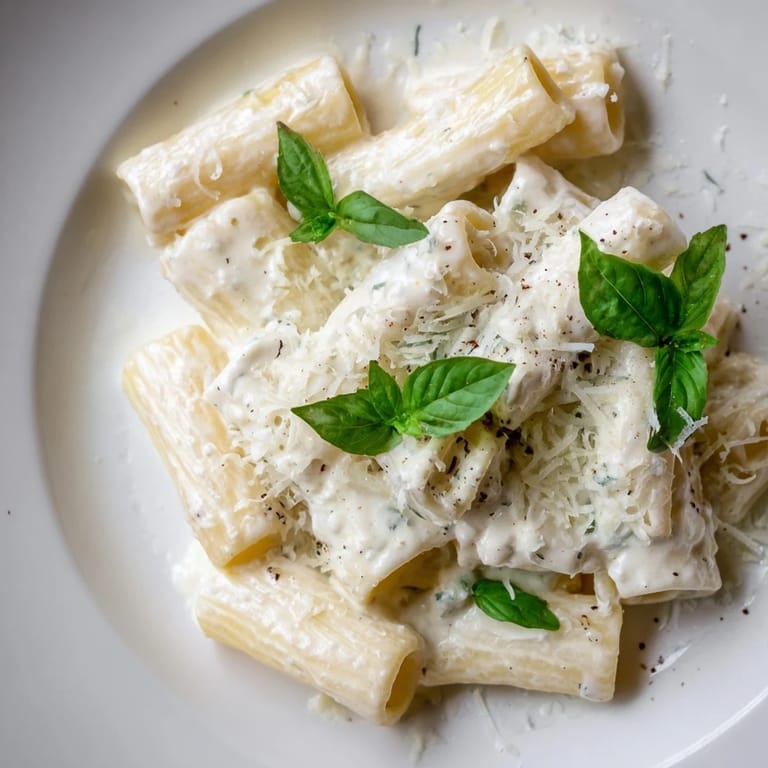
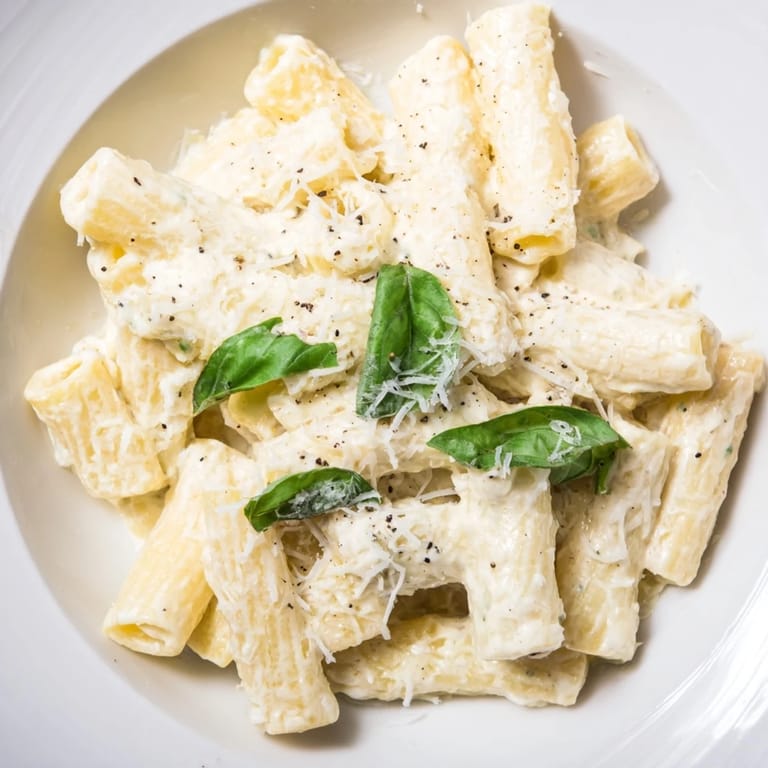
- Divide into bowls while everything is hot, then scatter fresh basil on top—the heat will slightly wilt it and release its smell. A handful of extra Parmesan and a pinch of red pepper flakes turn it from simple to stunning.
 Pin
Pin The moment I served this to my sister, she asked if I'd somehow sneaked ricotta in there—she couldn't believe cottage cheese was the base. That's when I realized this dish has a kind of magic that makes people question everything they thought they knew about humble ingredients. It's become proof that simple things, done with attention, become extraordinary.
Why This Became My Favorite
What surprised me most wasn't the taste, but how satisfying it is. I've made plenty of creamy pastas, but this one keeps me full without that uncomfortable heaviness you get from heavy cream. It's the kind of dish that makes you feel good about what you just ate, which honestly changes how you feel the rest of your evening.
Making It Your Own
This recipe is a canvas. I've stirred in sautéed mushrooms when I had them, added cooked shredded chicken for extra heartiness, and once I tossed in roasted cherry tomatoes at the last second and it was phenomenal. The cottage cheese sauce is forgiving enough to embrace whatever proteins or vegetables you want to add.
Pairing and Serving Ideas
Serve this with a bright green salad dressed in lemon vinaigrette to cut through the richness, or alongside crusty bread to catch any lingering sauce. A crisp white wine like Pinot Grigio or even a light beer pairs beautifully with the creamy, savory flavors. On warmer evenings, I've plated it and let it cool slightly, which actually makes the flavors feel lighter and more refreshing.
- A handful of arugula tossed with lemon juice on the side adds peppery brightness that balances the richness.
- If you have fresh dill or tarragon on hand, tear it in instead of basil for a completely different flavor story.
- Leftover sauce keeps in the fridge for three days and reheats beautifully with a splash of milk stirred in.
 Pin
Pin This dish proved to me that sometimes the best recipes aren't hidden in fancy techniques or hard-to-find ingredients—they're hiding in the everyday things we already have. It's become the meal I reach for when I want to feel taken care of, without spending an hour in the kitchen.
Recipe FAQ
- → What type of pasta works best with this creamy sauce?
Short or tubular pasta like penne or rigatoni hold the sauce well, but spaghetti also creates a smooth coating.
- → Can I adjust the sauce consistency if it’s too thick?
Yes, add reserved pasta water or extra milk gradually while warming the sauce until you reach the desired silkiness.
- → Are there good protein additions for this dish?
Cooked chicken or sautéed mushrooms can be stirred in for extra protein and flavor diversity.
- → What herbs enhance the flavor of the sauce?
Dried Italian herbs add depth, while fresh basil used as garnish gives a bright, aromatic finish.
- → Can I substitute the cottage cheese with another cheese?
Ricotta can be used as a milder alternative for a creamier, less tangy texture.