 Pin
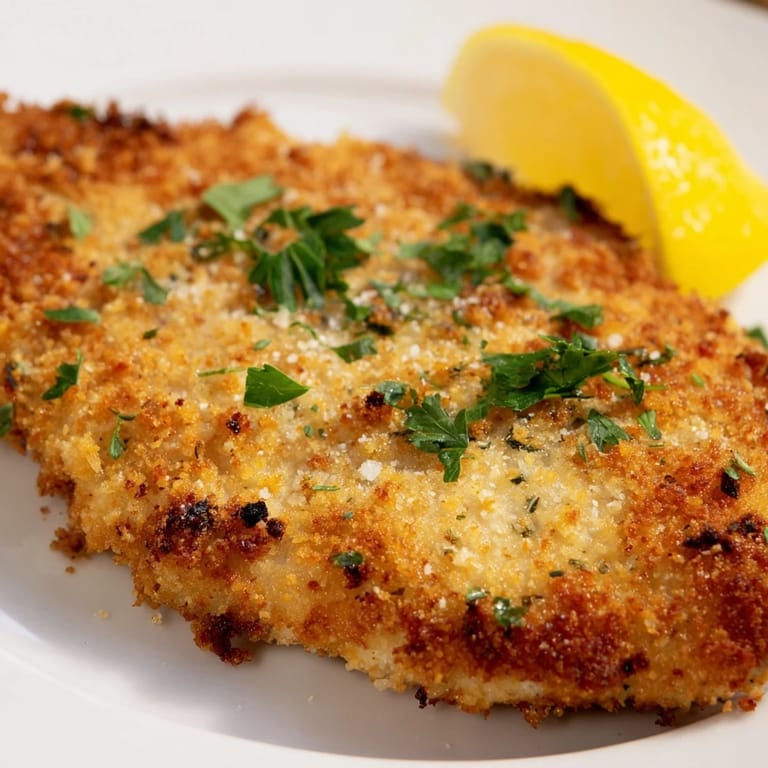
Pin My neighbor Marco taught me this trick years ago when he invited me over for a casual weeknight dinner. He'd pound chicken so thin it cooked in minutes, then coat it with this golden Parmesan crust that shattered when you bit into it. I watched him work with such ease, and something clicked—this wasn't restaurant magic, just good technique and respect for the ingredient. Now it's become my go-to when I need something that feels special but doesn't demand hours in the kitchen.
I made this for my daughter's friends one spring afternoon, and they kept asking if I'd bought it from a restaurant. The kitchen filled with that sizzling sound that somehow makes everything feel more impressive, and watching them reach for seconds without hesitation—that's when I realized good food doesn't need to be complicated.
Ingredients
- Chicken breasts: Look for ones that are roughly the same thickness so they cook evenly—if one end is thicker, it'll dry out while the thin part stays tender.
- Panko breadcrumbs: The larger flakes create that satisfying crunch that regular breadcrumbs simply can't match.
- Parmesan cheese: Freshly grated makes a difference in both flavor and texture; pre-grated cheese has anti-caking agents that affect how it browns.
- Egg mixture with milk: The milk helps the egg coat more evenly and prevents the layer from getting too thick.
- Garlic powder and oregano: These season the breading itself, so every bite tastes intentional, not just crispy.
- Olive oil: Use something you'd actually taste—cheap oil can turn bitter at high heat and muddy the whole dish.
Tired of Takeout? 🥡
Get 10 meals you can make faster than delivery arrives. Seriously.
One email. No spam. Unsubscribe anytime.
Instructions
- Pound the chicken to even thickness:
- Lay each breast between plastic wrap to avoid splatter and raw chicken contact. Use steady pressure rather than aggressive whacking—you're evening out the thickness, not pulverizing it. Aim for about half an inch, which is thick enough to stay juicy but thin enough to cook through quickly.
- Season before breading:
- A pinch of salt and pepper on both sides matters more than you'd think. It seasons the meat itself, not just the crust, which changes everything in your mouth.
- Set up your breading station:
- Three bowls in a row—flour, egg wash, then the Parmesan mixture. Having everything ready means you stay in rhythm and the coating doesn't slip off before it hits the pan.
- Coat each piece with intention:
- Flour first to help the egg stick, then egg, then press that breadcrumb mixture on firmly so it adheres rather than falls away. A light touch here creates a fragile coating; pressure creates an armor.
- Get the oil to the right temperature:
- Medium-high heat is the sweet spot—hot enough to brown the coating immediately but not so hot it burns before the chicken cooks through. If it's smoking, it's too hot.
- Cook in batches without crowding:
- Each cutlet needs space to brown properly, about 3 to 4 minutes per side. The sizzle should be assertive but controlled; if it sounds angry, lower the heat slightly.
- Drain on paper towels:
- This keeps the crust crispy by removing excess oil while it's still hot. Don't skip this step even if you're in a hurry.
 Pin
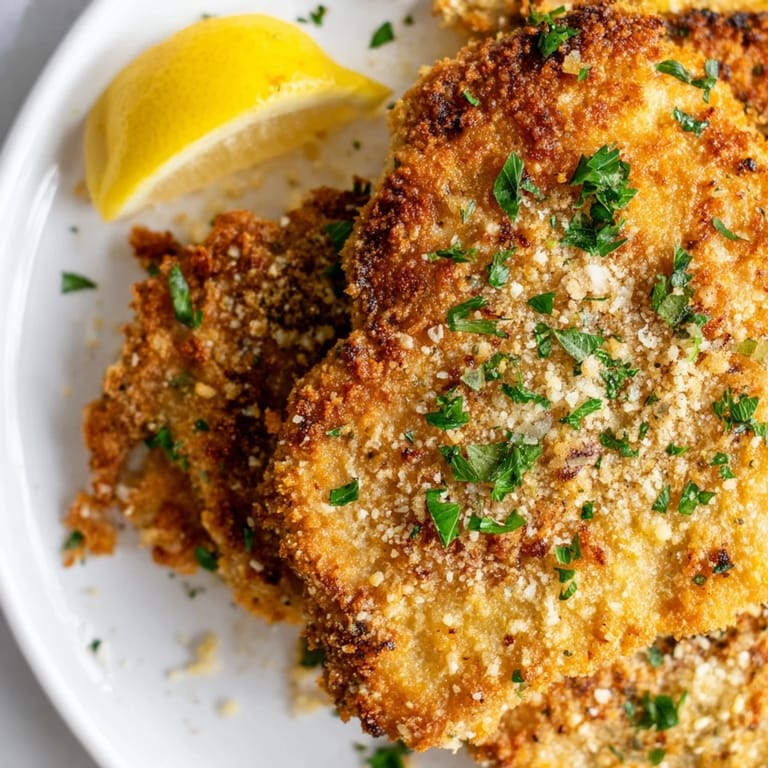
Pin There's something almost meditative about this recipe—the rhythm of pounding, the three-step coating dance, the moment you hear that perfect sizzle when the chicken hits the hot oil. It's the kind of dish that teaches you to slow down, even when you're in a hurry.
The Secret of Staying Crispy
The golden rule I learned after one too many soggy leftovers is that crispiness comes from respect for heat and timing, not just ingredients. Reheating matters—a 350°F oven for about 5 minutes brings the crust back to life, while a microwave turns it into a sad, chewy disappointment. If you have time, place the reheated cutlet on a rack so air circulates underneath rather than trapping steam.
Why This Works as a Weeknight Dinner
Most of us don't have time for recipes with long ingredient lists or fussy techniques, but we still want meals that feel intentional. This dish proves you can have both—it's straightforward enough to teach a teenager, but polished enough to set on a nice plate with genuine confidence.
Serving Suggestions That Actually Matter
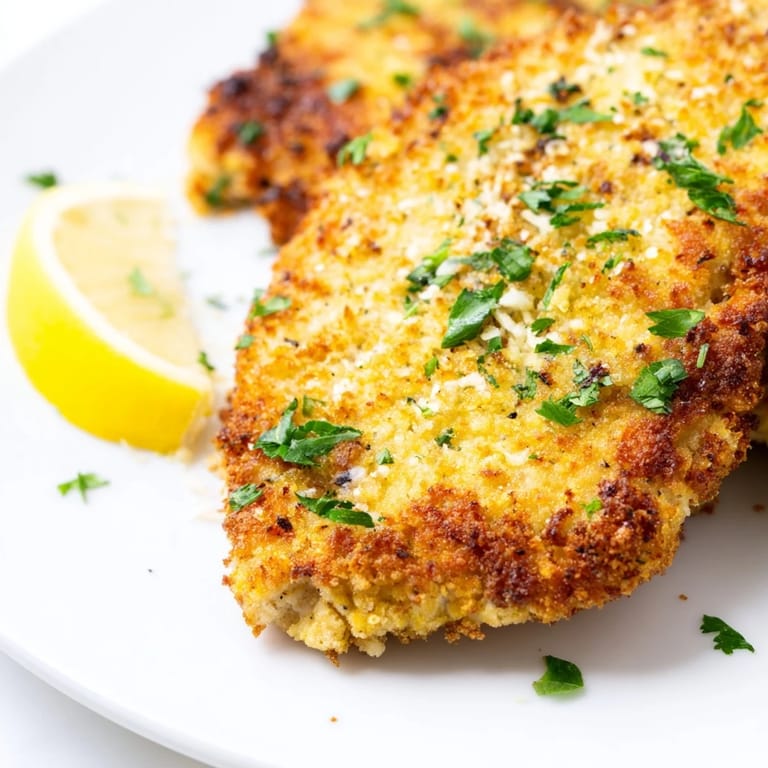
A squeeze of fresh lemon right over the hot chicken brightens everything immediately; if you add it too early it makes the crust soggy, too late and the brightness gets lost in the flavors. Arugula salad on the side cuts through the richness without requiring any extra cooking, and pasta tossed with olive oil and fresh herbs turns this into something more substantial without stealing focus from the main event.
- Fresh lemon wedges are non-negotiable—the acidity completes the dish in a way you won't understand until you taste it.
- If you have fresh parsley, chop it fine and scatter it over just before serving, but only if you actually like parsley—forced garnish helps no one.
- Leftover cutlets make excellent sandwiches the next day if you have good bread and a sharp mayo or aioli on hand.
 Pin
Pin This recipe has taught me that sometimes the best meals are the ones that don't pretend to be anything more than what they are—honest, straightforward, and made with the small acts of attention that turn dinner into something worth remembering.
Recipe FAQ
- → How do I get the chicken cutlets extra crispy?
Use panko breadcrumbs for a lighter, airier coating and make sure the oil is hot enough before frying to create a crisp crust.
- → Can I prepare the chicken cutlets ahead of time?
Yes, you can coat the chicken and refrigerate it for up to 2 hours before cooking to maintain freshness and crispiness.
- → What temperature should the chicken reach when cooked?
The internal temperature of the chicken should reach 74°C (165°F) to ensure it’s safely cooked through.
- → What are good side dishes to serve with these cutlets?
Serve alongside a fresh salad, roasted vegetables, or pasta for a balanced and tasty meal.
- → Can I add extra flavor to the breadcrumb coating?
Try adding chili flakes or additional herbs like thyme or basil to the breadcrumb mixture for a subtle kick and more depth.