 Pin
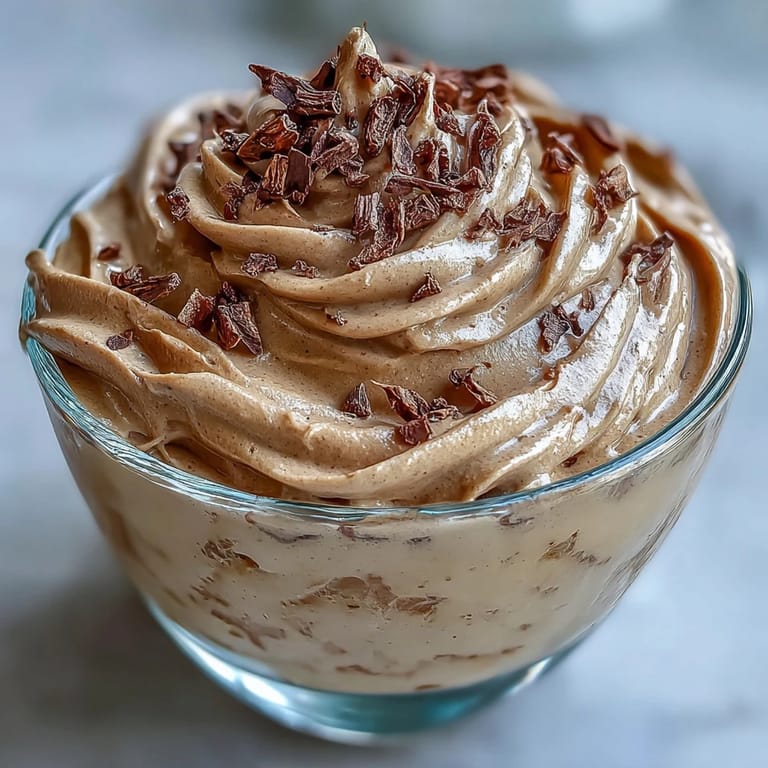
Pin There's a moment that happens when you first taste hojicha—that roasted, almost nutty warmth that arrives on your tongue like a quiet conversation. I discovered this mousse on a gray afternoon when a friend handed me a small glass of something impossibly light and whipped, and I couldn't quite believe eggs and tea could create something so elegant. The delicate texture made me think of Japanese teahouses and minimalist desserts, the kind that don't announce themselves but linger in your memory long after the last spoonful.
I made this for my partner's birthday dinner once, serving it in small vintage glasses we'd found at a market months before and forgotten about. Watching their face when they took that first bite—that moment when the roasted tea flavor hit and their expression shifted into genuine surprise—reminded me why I love cooking things that feel both simple and special. Sometimes the best meals are the ones that feel like a small gift you're giving to someone you care about.
Ingredients
- Hojicha tea leaves (2 tablespoons): Use whole leaves rather than powder for a cleaner steep; they unfurl and release their toasted flavor gradually, and you can easily strain them away for a silky texture.
- Whole milk (200 ml): The fat carries the roasted tea notes beautifully, but oat milk works nearly as well if you need dairy-free, lending a slight creaminess without competing with the hojicha.
- Large eggs (3, separated): Room temperature eggs whip higher and create more volume; cold eggs fight you, so pull them out thirty minutes before you cook.
- Granulated sugar (60 g total): Split between the yolk mixture and the whites, sugar stabilizes and sweetens without making the mousse cloyingly sugary.
- Vanilla extract (1 teaspoon): A touch of vanilla deepens the tea notes without making them obvious, like a whisper in the background.
- Cornstarch (1 tablespoon): This prevents curdling when you temper the eggs with hot liquid and adds subtle body to the custard base.
- Powdered gelatin (2 teaspoons): Bloom it properly so it dissolves invisibly into the mixture; it's your silent partner in keeping the mousse structured without any rubbery texture.
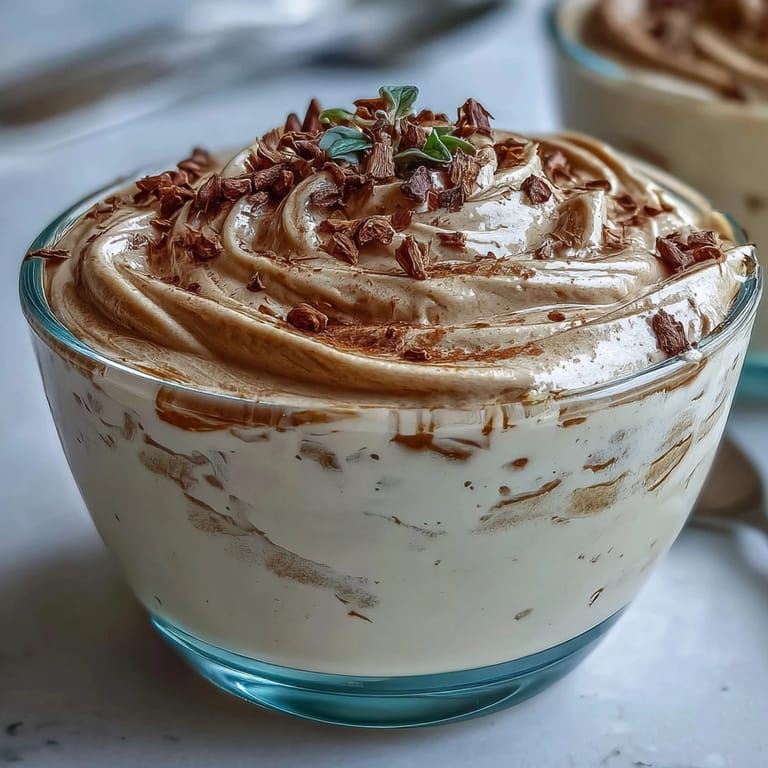
- Toasted hojicha tea leaves or cocoa nibs (for garnish): A sprinkle on top adds textural contrast and a visual reminder of what makes this dessert distinctive.
Tired of Takeout? 🥡
Get 10 meals you can make faster than delivery arrives. Seriously.
One email. No spam. Unsubscribe anytime.
Instructions
- Steep the hojicha in warm milk:
- Heat milk until you see wisps of steam rising, then pour it over the leaves and cover the pan. The ten minute steep is long enough to extract deep roasted flavor without bitterness; you'll notice how the milk transforms into a warm caramel color.
- Bloom your gelatin:
- Sprinkle it over cold water and let it sit quietly for five minutes until it looks spongy and soft. This hydration means it'll dissolve smoothly later instead of creating grainy lumps in your mousse.
- Build the custard base:
- Whisk yolks with half the sugar and cornstarch until the mixture lightens in color and falls from the whisk in ribbons. Slowly drizzle in the warm hojicha milk while whisking constantly to gradually raise the temperature of the eggs without scrambling them.
- Cook the mixture gently:
- Set your bowl over barely simmering water and whisk constantly as the mixture thickens—you're looking for that moment when it coats the back of a spoon and your finger leaves a clear trail. Three to five minutes is usually enough; overcooking makes it curdle, undercooking leaves it thin.
- Dissolve the gelatin:
- Stir your bloomed gelatin into the hot custard and watch it melt away completely. The heat does this gently without any effort on your part; add the vanilla and set the bowl aside to cool to room temperature, stirring every few minutes so a skin doesn't form on top.
- Whip the egg whites:
- In a clean, dry bowl, beat the whites until soft peaks form—when you lift the whisk, they should fold over gently like clouds. Gradually add the remaining sugar and continue beating until you have glossy, stiff peaks that stand straight up and don't weep liquid.
- Fold with care:
- Add the whites to the cooled hojicha mixture in three additions, folding gently with a rubber spatula rather than stirring. Each fold should be slow and deliberate; you're trying to keep all that air you just whipped into the whites.
- Chill and set:
- Divide the mousse into serving glasses or ramekins and refrigerate for at least two hours. The mousse firms up gradually as the gelatin sets, transforming from pourable to that perfect spoonable texture.
- Finish and serve:
- Just before serving, dust with a few toasted hojicha leaves or a sprinkle of cocoa nibs if you like. This adds a visual flourish and a little textural surprise on the first spoonful.
 Pin
Pin There was one evening when a guest asked me what makes this mousse different from any other chocolate mousse, and I realized I couldn't actually explain the magic of hojicha to someone who'd never encountered it before. I handed them a spoon and told them to taste it, and their quiet smile said everything I couldn't put into words. Sometimes desserts are about creating those small moments of discovery for people you're cooking for.
The Art of Folding Egg Whites
Folding is where a lot of people panic, thinking they'll somehow ruin the mousse by being too gentle. The truth is simpler than you'd think: use a rubber spatula, cut down through the center of the mixture, scrape along the bottom, and pull up and over toward you, giving the bowl a quarter turn each time. Your goal is to blend everything together while losing as little air as possible, which takes maybe thirty seconds per addition and genuinely works better than any fancy technique.
Troubleshooting Common Issues
If your mousse feels grainy, you likely overcook the custard or added cold gelatin to hot liquid without letting it bloom first. If it's too thin and won't set, your gelatin may have been old or you added it to liquid that was too cool to dissolve it properly. If the texture is dense instead of airy, the egg whites weren't beaten to full stiff peaks or you deflated them during folding.
Serving and Pairing Ideas
This dessert shines on its own in a small glass, but it also welcomes gentle additions if you want to build a complete plate. Fresh berries—especially raspberries or blackberries—add brightness and a slight tartness that plays beautifully against the warm roasted notes. A crisp wafer cookie alongside makes it feel more refined, while a drizzle of honey or a dusting of matcha powder can push the flavor in different directions depending on your mood.
- Pair with cold milk or a delicate green tea to echo the hojicha base and extend the Japanese-inspired experience.
- If you want something fancier, a light floral sake or even a delicate white wine complements the subtle sweetness without overwhelming the dish.
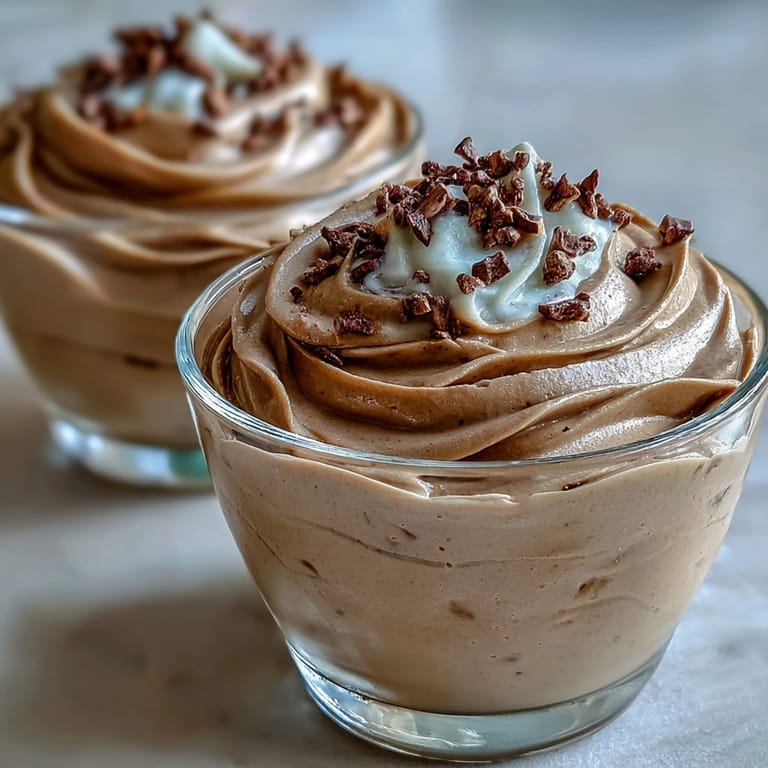
- Make these ahead and keep them in the fridge for up to three days, adding garnish only right before you serve.
 Pin
Pin There's something quietly wonderful about a dessert that doesn't need much—just good ingredients and a little patience. This hojicha mousse reminds me why I fell in love with cooking, one delicate spoonful at a time.
Recipe FAQ
- → What does hojicha taste like?
Hojicha offers a distinctive roasted, nutty flavor with caramel-like notes. Unlike other Japanese green teas, the roasting process reduces bitterness and creates a mellow, slightly sweet profile that pairs beautifully with creamy desserts.
- → Can I make this mousse ahead of time?
Absolutely. This mousse actually benefits from chilling overnight, allowing the flavors to develop fully. Store covered in the refrigerator for up to 2 days, though the texture is best enjoyed within 24 hours.
- → Is this dessert suitable for special diets?
This mousse is naturally vegetarian and gluten-free. For a dairy-free version, simply substitute whole milk with oat or almond milk. The result remains equally delicious and light.
- → Why is gelatin necessary?
Gelatin provides structure and ensures the mousse sets properly while maintaining its airy texture. Without it, the mixture would not hold its shape when chilled, resulting in a softer pudding-like consistency.
- → What garnishes work best?
Toasted hojicha leaves add an elegant touch and reinforce the tea flavor. Cocoa nibs provide a pleasant crunch and bitterness that balances the sweetness. Fresh berries or a light dusting of matcha powder also complement the roasted notes beautifully.