 Pin
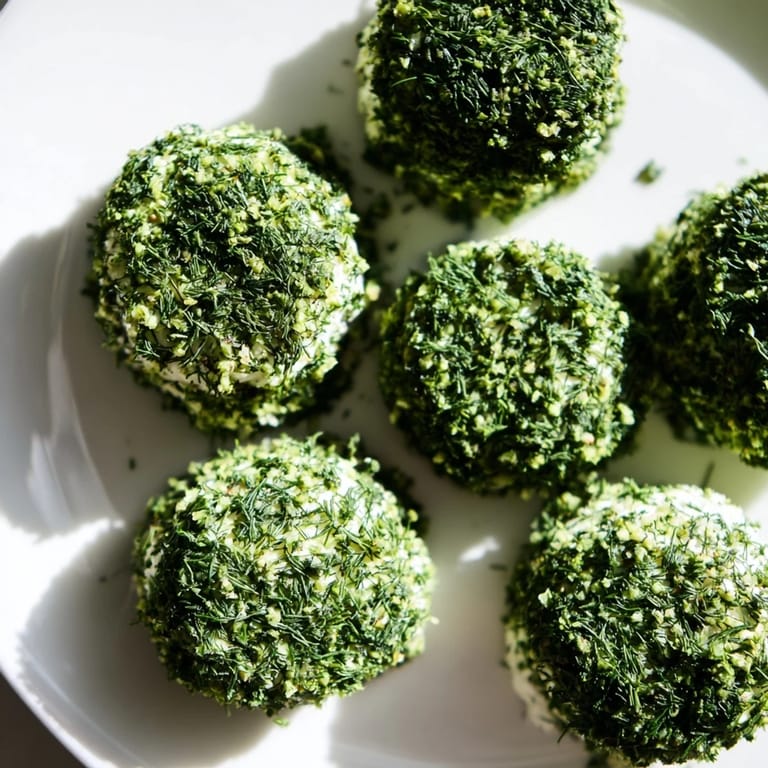
Pin I discovered these little cheese bites at a dinner party where a friend served them on a bed of moss-covered rocks—it was such a clever visual trick that I had to ask for the recipe. Turns out, the magic isn't in the presentation alone, but in how the fresh herbs cling to the creamy cheese, creating little flavor bombs that melt on your tongue. The first time I made them, I was nervous about the simplicity, convinced something so easy couldn't possibly impress. But watching guests pop them one after another while barely touching anything else on the board proved me wonderfully wrong.
I'll never forget serving these at my sister's engagement party where I set them among actual moss and tiny forest-themed decorations. Someone asked if they were real stones at first, and the laugh that followed when they bit into the creamy cheese made the whole afternoon feel special. That's when I realized these weren't just appetizers—they were conversation starters, little moments of delight that made people smile.
Ingredients
- Fresh goat cheese medallions (12 pieces, 25–30 g each): The foundation of everything—seek out the freshest, creamiest goat cheese you can find, as quality here makes all the difference in texture and flavor.
- Fresh parsley (1/2 cup, finely chopped): This is your base herb, mild and vegetal, providing the earthy backbone that makes these feel like little forest treasures.
- Fresh dill (1/2 cup, finely chopped): The bright, almost anise-like note that elevates the whole bite and keeps it from feeling one-dimensional.
- Fresh chives (1 tablespoon, finely chopped, optional): A whisper of onion flavor that adds subtle complexity if you want a slightly more savory edge.
- Edible flowers or microgreens (for serving): These complete the woodland aesthetic and add a delicate textural contrast against the creamy cheese.
Tired of Takeout? 🥡
Get 10 meals you can make faster than delivery arrives. Seriously.
One email. No spam. Unsubscribe anytime.
Instructions
- Build your herb bed:
- Pour the chopped parsley, dill, and chives into a shallow bowl and give it a gentle toss so the herbs are evenly distributed. The mixture should look like a little forest floor waiting for its treasures.
- Coat each cheese piece:
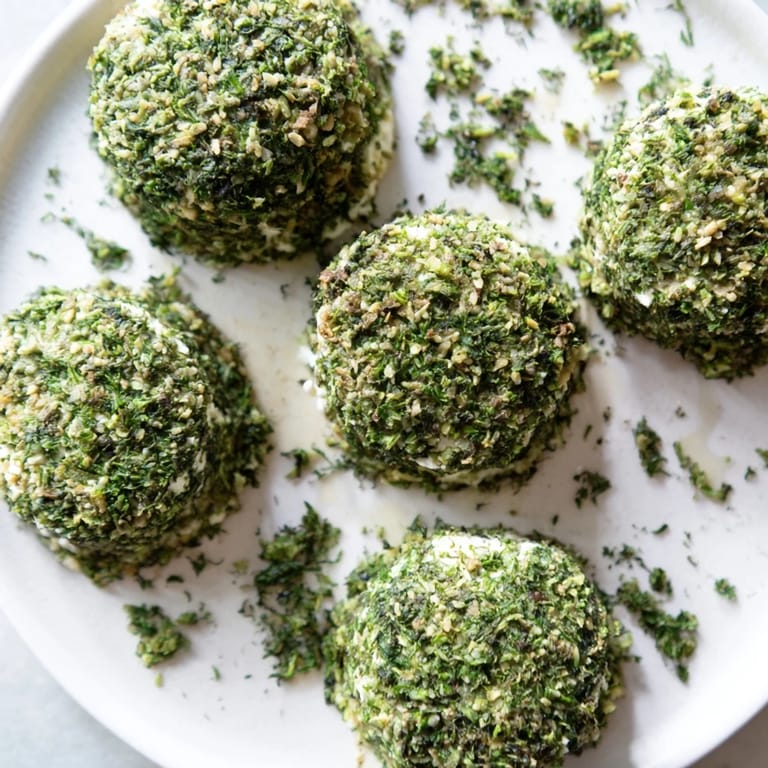
- Pick up each goat cheese medallion and roll it gently but confidently through the herbs, pressing lightly so the coating clings all over without crushing the delicate cheese. You want a generous, mossy exterior on each one.
- Arrange with intention:
- Place each coated cheese on your serving platter and nestle them among edible flowers, microgreens, or even a bed of fresh herbs to create that woodland magic. Step back and admire—you've just made something that looks like it came from a fairy tale kitchen.
- Serve or hold:
- If you're serving immediately, now's the time to let guests discover them while the herbs are at their brightest. If you need to prep ahead, cover loosely and refrigerate for up to 2 hours, which keeps the cheese firm and the herbs fresh.
 Pin
Pin There's something almost meditative about rolling each cheese piece through the herbs, watching the green coating build up like you're creating tiny edible works of art. It's the kind of task that feels soothing rather than rushed, and that calm energy seems to translate into how people respond to the finished dish.
Ingredient Swaps & Variations
If goat cheese isn't your thing or you can't source good fresh ones, creamy herbed cream cheese rolled into small balls works beautifully and gives you a slightly richer, tangier result. Baby bocconcini (those tiny mozzarella balls) are another lovely option, yielding a milder flavor and a firmer texture that some people actually prefer. I've even experimented with a blend of cheeses, mixing a bit of ricotta into softer goat cheese to create a creamier interior that's a touch more forgiving to work with.
Flavor Boosters & Pairings
A tiny pinch of lemon zest folded into the herb mixture adds brightness that makes people wonder what your secret ingredient is, without ever quite placing it. Cracked black pepper mixed through the herbs brings a gentle spice that catches people off guard in the best way. When it comes to pairing, crisp white wines like Sauvignon Blanc or Albariño are natural matches, but honestly, these work equally well with crusty bread, good crackers, or tender raw vegetables like cucumber slices and thin-cut radishes.
Making It Your Own
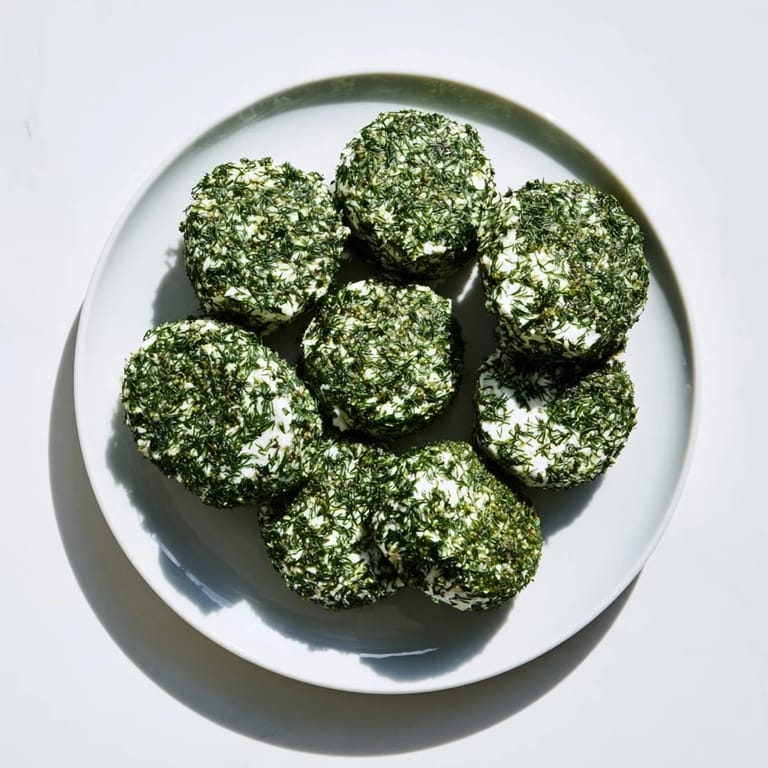
The beauty of this recipe is how forgiving and open-ended it is—these little stones are a canvas for whatever herbs and flavors sing to you. You might add fresh tarragon for an anise-forward twist, or experiment with a base of crushed toasted walnuts mixed with the herbs for more texture and earthiness. The woodland presentation part is just as flexible: use actual moss from your garden, arrange them on slate, or scatter them across a simple white platter depending on your mood and what you have on hand.
- Fresh tarragon, basil, or mint can replace dill if that's what's growing in your garden or calls to you.
- A touch of honey drizzled over the top right before serving adds unexpected sweetness that plays beautifully against the herbs.
- Toast your serving platter or chill it first to keep the cheese at the perfect texture throughout your gathering.
 Pin
Pin Every time I set these on a table, I'm reminded that the simplest dishes often leave the biggest impression. There's real joy in watching people discover something delicious that you created with your own hands in just a few minutes.
Recipe FAQ
- → What type of cheese is used?
Small, fresh goat cheese medallions are preferred for their creamy texture and shape.
- → Can the herb blend be customized?
Yes, parsley and dill are standard, but fresh chives can be added for extra flavor.
- → How should the mossy stones be served?
Arrange on a platter with edible flowers or microgreens to enhance presentation and woodland feel.
- → How long can the coated cheeses be stored before serving?
They can be refrigerated and served within 2 hours to maintain freshness.
- → Are there any good accompaniment suggestions?
Serve alongside crusty bread, crackers, or raw vegetable sticks, and pair with crisp white wines like Sauvignon Blanc.