 Pin
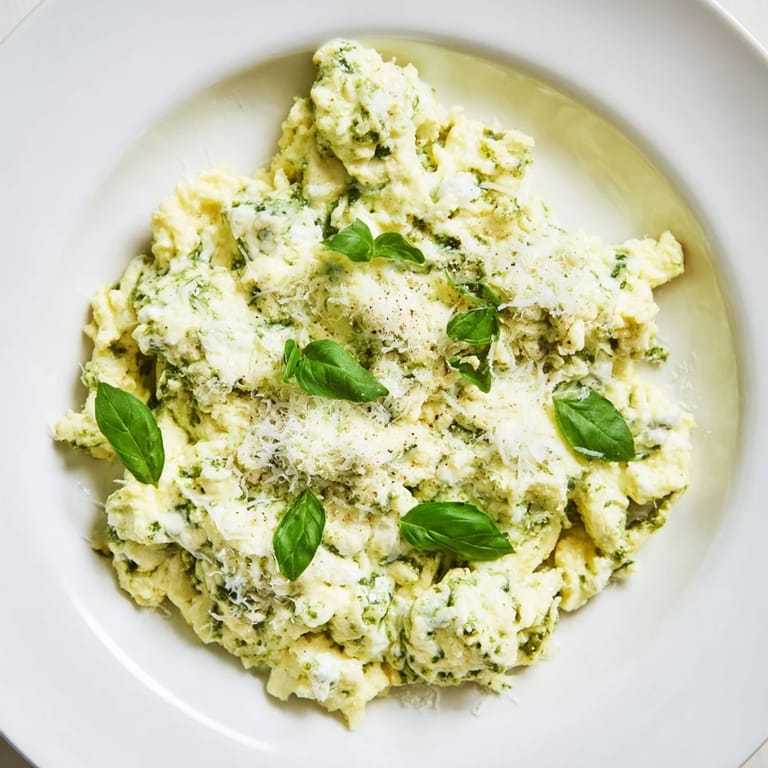
Pin One morning, I was standing at the stove with leftover cottage cheese in the fridge and a jar of basil pesto that seemed to have been waiting for exactly this moment. I'd been making scrambled eggs the same way for years—nothing wrong with them, but nothing that made me want to jump out of bed either. Then it hit me: what if I stopped thinking of cottage cheese as a side dish and let it become part of the main event? The first spoonful tasted like breakfast had suddenly learned how to celebrate itself. Now this is what I reach for when I want something that feels both indulgent and energizing.
I made this for my friend Maya on a lazy Sunday when she mentioned she was tired of her usual breakfast routine. She took one bite and asked if I was hiding restaurant experience in my kitchen somewhere. The conversation shifted from breakfast talk to something deeper—turns out food has a way of doing that when it tastes like someone actually cared. Now whenever she visits, this is what she requests, and I like the ritual of making it for her.
Ingredients
- Eggs (4 large): They're the foundation, and using fresh eggs makes a noticeable difference in how they scramble—the whites set slower, giving you more time to work with creamy texture.
- Milk or cream (2 tbsp, optional): This is your permission slip to not fuss over every second; it's forgiving and creates that cloud-like consistency without fighting you.
- Cottage cheese (1/2 cup): Full-fat tastes richer, but honestly, low-fat works fine if that's what you have—it just melts in differently, less like lumps and more like tiny pockets of creaminess.
- Basil pesto (2 tbsp): Don't feel locked into store-bought; homemade pesto elevates this in ways that feel almost unfair, but the jarred kind does the job beautifully too.
- Salt (1/4 tsp) and black pepper (1/8 tsp): Taste as you go because the pesto and cottage cheese both bring their own salt and flavor—you might need less than you think.
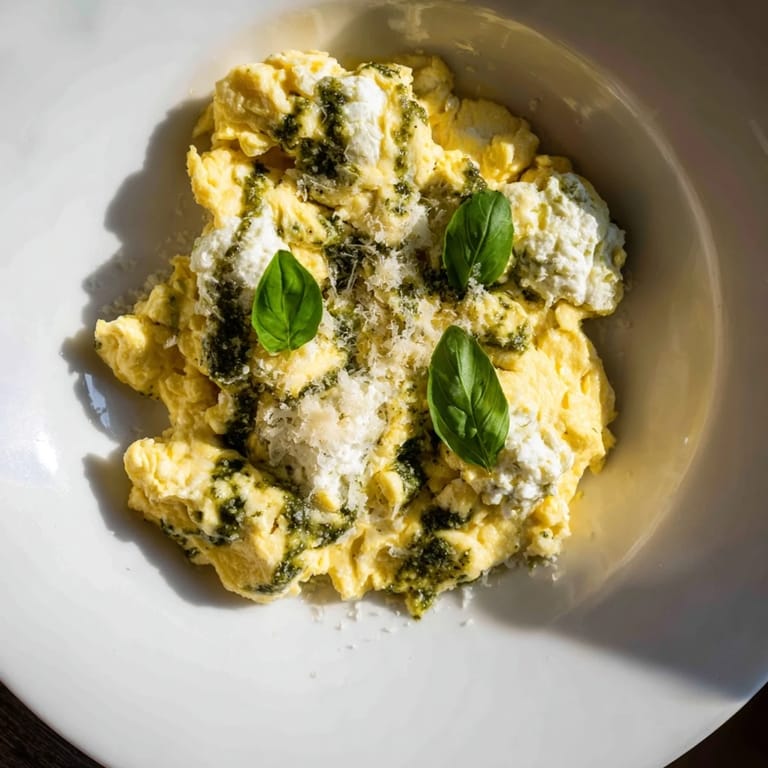
- Fresh basil, extra pesto, and Parmesan (optional garnish): These are the final brushstrokes; they take something good and make it look like you spent actual time thinking about it.
Tired of Takeout? 🥡
Get 10 meals you can make faster than delivery arrives. Seriously.
One email. No spam. Unsubscribe anytime.
Instructions
- Prepare your eggs:
- Crack all four eggs into a bowl and whisk them together with milk if you're using it, salt, and pepper until the yolks and whites are completely unified. This takes about thirty seconds and matters more than you'd think.
- Warm the pesto:
- Heat your nonstick skillet over medium-low heat and add the pesto straight in. Let it sit for just thirty seconds so the heat releases all those herbal oils and your kitchen smells like an Italian garden. You'll know it's ready when you catch that aroma.
- Start the eggs:
- Pour the egg mixture into the warm pan and let it sit undisturbed for about ten to fifteen seconds. This allows the bottom to start setting and gives you something to work with when you push it around.
- Stir gently:
- Using a spatula, push the eggs from the edges toward the center in slow, deliberate strokes. Don't rush this; the slower you are, the creamier everything becomes. You're coaxing them, not forcing them.
- Add the cottage cheese:
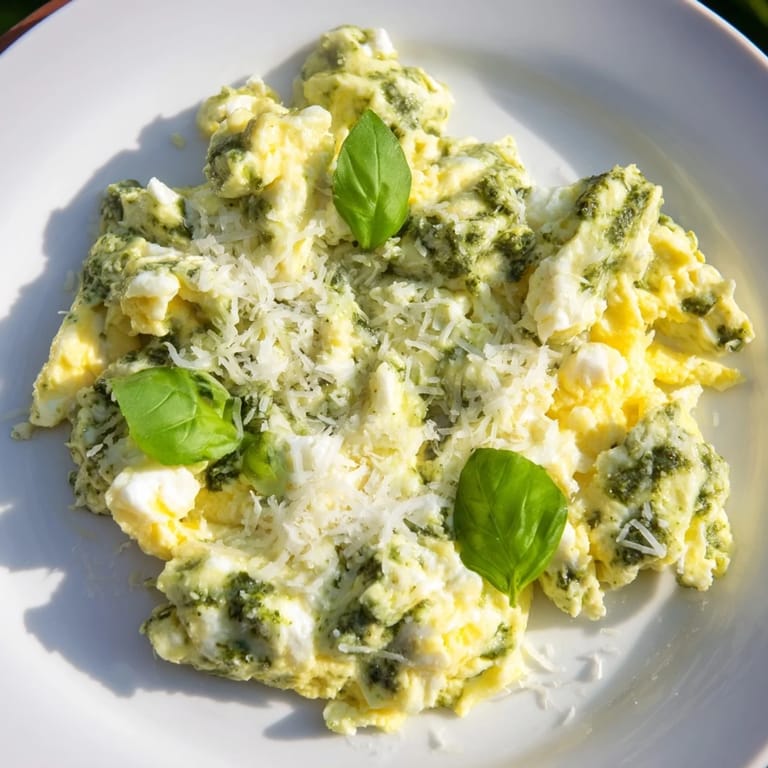
- When the eggs have lost their raw shine but still look wet and soft, fold in the cottage cheese in two or three additions. Fold, don't stir—the gentle motion keeps everything tender.
- Finish:
- The moment everything is loosely combined and the cottage cheese has warmed through (you'll see it wilt slightly), pull the pan off the heat. Overcooking by even thirty seconds changes the entire mood here.
- Serve with intention:
- Slide onto a plate, add a small spoonful of pesto on top, scatter basil leaves, maybe grate some Parmesan, and serve with something crusty to soak up the richness.
 Pin
Pin There's something about feeding someone a meal where every element came together right that shifts the whole morning. My partner tasted this without knowing what was in it and genuinely thought I'd gone to culinary school overnight. That small moment of surprise made me realize this dish isn't complicated—it's just thoughtful.
Why This Works Better Than Regular Scrambled Eggs
The cottage cheese does something pesto alone can't: it adds protein and a subtle tang that makes the entire plate feel more complete. The pesto brings brightness and a kind of sophistication that says you put actual thought into breakfast. Together, they transform what could be a rushed morning ritual into something that tastes like self-care on a plate. It's richer than plain eggs but lighter than you'd expect, and that balance is exactly why it keeps calling me back to the stove.
Playing With Flavors
Once you've made this basic version a few times, it becomes a canvas. I've tried sun-dried tomato pesto when basil felt too expected, and suddenly everything tastes like a Mediterranean villa. Some mornings I sauté a handful of spinach and fold that in too—it changes nothing structurally but adds color and an extra layer of something green and good. The beautiful part is knowing that even if you swap pesto styles or add different herbs, the method stays the same, so it never feels like you're starting from scratch.
Making It Your Own
This recipe is forgiving in the best way. Low-fat cottage cheese works if that's what matters to you. Ricotta is a legitimate swap if you have it hanging around. Some people add a small handful of grated Parmesan right into the eggs before cooking, and it disappears into creaminess. The core idea—warm pesto, eggs, cottage cheese, low heat, gentle motion—stays solid no matter what you do around the edges.
- If your pesto is very garlicky or salty, taste before adding extra seasoning to the eggs.
- Cottage cheese straight from the fridge is fine; it warms quickly in the residual heat.
- This makes two generous servings, but if you're feeding one very hungry person, it's still perfect.
 Pin
Pin This dish has become one of those meals I make when I want to feel like I'm taking care of myself in the morning. It's simple enough that you'll make it again, but thoughtful enough that you'll actually want to.
Recipe FAQ
- → What type of pesto works best?
Both store-bought and homemade basil pesto work well, offering fresh, herbal flavor that complements the eggs and cheese.
- → Can I substitute cottage cheese?
Ricotta can be used instead of cottage cheese for a smoother, creamier texture, altering the mouthfeel pleasantly.
- → How do I avoid overcooking the eggs?
Cook eggs gently over medium-low heat and remove them from heat while still soft and creamy to prevent dryness.
- → Is it suitable for gluten-free diets?
Yes, the main ingredients are naturally gluten-free; just choose gluten-free bread if serving alongside.
- → Can I add other ingredients for variety?
Yes, sun-dried tomato pesto or sautéed spinach add extra flavor and texture without overpowering the dish.