 Pin
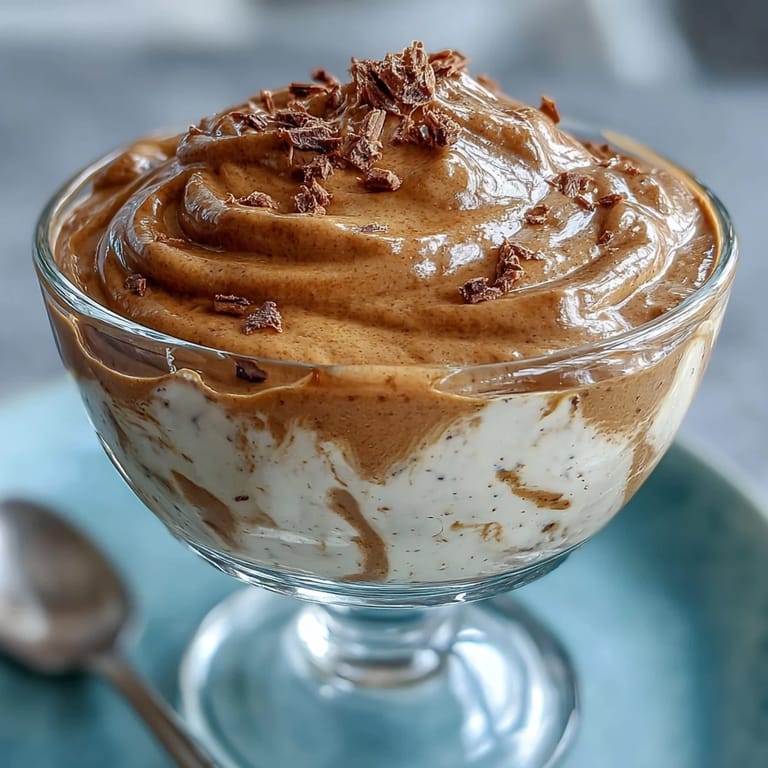
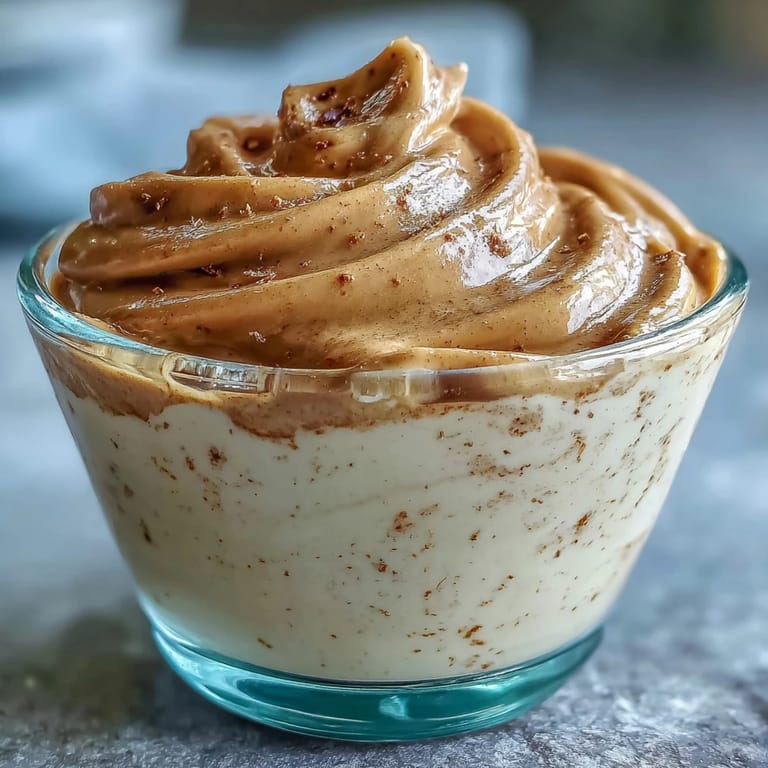
Pin There's something almost meditative about the moment hojicha tea first hits warm milk—the steam rises and suddenly your kitchen smells like a Japanese tea house, toasted and impossibly comforting. I discovered this pastry cream by accident, really, after bringing home a small tin of hojicha from a specialty shop and wondering what to do with it beyond the obvious cup of tea. That afternoon, I found myself whisking egg yolks while the aroma filled every corner of my apartment, and I knew I'd stumbled onto something special. The result is a silky custard that tastes like autumn distilled into cream, with that distinctive nutty warmth that makes people pause mid-bite and ask what you've done differently.
I made this for a small dinner party last spring, piping it into delicate choux pastry shells, and watching my friend Sarah take that first bite remains vivid. She closed her eyes, and for a moment nobody said anything, which somehow meant everything. That's when I realized this wasn't just a filling—it was a quiet way of saying you'd thought about someone's experience, about the small luxuries that make an ordinary dessert feel like an occasion.
Ingredients
- Whole milk (2 cups): This is your flavor foundation, so don't reach for anything less than whole—the fat matters here, carrying those precious hojicha notes forward.
- Hojicha loose leaf tea or tea bags (3 tablespoons or 3 bags): The star ingredient that sets this apart; if you can find a quality roasted tea, the difference will be immediate.
- Unsalted butter (3 tablespoons): Added at the end to give the cream its silky finish and keep any bitterness at bay.
- Egg yolks (4 large): The custard's backbone; room temperature yolks whisk more smoothly, so pull them out of the fridge a few minutes early.
- Granulated sugar (1/2 cup): Whisked with yolks until pale, which takes longer than you'd think but creates lift and ensures no grittiness in the final cream.
- Cornstarch (3 tablespoons): This prevents lumps and gives the cream its luxurious, spoonable texture without requiring flour.
- Vanilla extract (1/2 teaspoon): A quiet addition that rounds out the hojicha's earthiness without overpowering it.
- Salt (pinch): Essential for bringing all flavors into focus; even a small amount shifts everything toward sophistication.
Tired of Takeout? 🥡
Get 10 meals you can make faster than delivery arrives. Seriously.
One email. No spam. Unsubscribe anytime.
Instructions
- Warm the milk and meet the hojicha:
- Pour milk into a medium saucepan and heat it over medium until you see wisps of steam rising and the surface shimmers, but stop before it boils. Add your hojicha tea, remove from heat immediately, and cover with a lid—this is where patience becomes flavor, so set a timer for 10 minutes and resist the urge to peek too early.
- Strain with intention:
- Line your fine mesh sieve over a bowl and pour the infused milk through slowly, using the back of a spoon to gently press the tea leaves and coax out every last bit of flavor. The spent leaves will look almost silvery when you're done; the milk should have taken on a pale golden tone.
- Whisk the yolk mixture until pale:
- In a separate bowl, combine egg yolks, sugar, cornstarch, and salt, whisking continuously until the mixture goes from bright yellow to pale and thick—this takes about 2 minutes and means your sugar has dissolved completely. You'll notice the texture becoming ribbon-like as air incorporates; this is exactly what you want.
- Temper with care:
- This is the step that separates smooth cream from scrambled eggs, so go slowly: pour the warm hojicha milk into the yolk mixture in a thin stream while whisking constantly, never stopping. By the time you've added about half the milk, your eggs will be warm enough to handle the rest in a slightly faster pour, but always keep whisking.
- Cook until it coats the back of a spoon:
- Return everything to your saucepan over medium heat and whisk constantly—and I mean constantly, no distractions—for 2 to 3 minutes until the mixture bubbles gently at the edges and thickens visibly. When you dip a spoon in and draw your finger across the back, the cream should hold the line you've drawn.
- Finish with butter and vanilla:
- Remove from heat and immediately whisk in your butter and vanilla extract until completely smooth and incorporated. The butter melts in and gives everything a glossy, polished appearance.
- Prevent the dreaded skin:
- Transfer your pastry cream to a clean bowl and press a piece of plastic wrap directly onto the surface, making sure it touches the entire top. This isn't just a nice idea; it's the difference between silky cream and a disappointing film.
- Chill thoroughly:
- Refrigerate for at least 1 hour, or until the cream is completely cold and has set to a spoonable consistency. You can make this up to 2 days ahead, which is helpful when you're planning something special.
- Wake it up gently before using:
- Just before filling your pastries, give the cream a brief whisk to smooth it out, which also makes it easier to pipe or spread without any lumps.
 Pin
Pin The memory that stays with me most is serving this cream in small profiteroles at my grandmother's birthday, watching her face light up as she recognized something familiar but couldn't quite place it. When I told her it was hojicha, she laughed and said it tasted like my childhood summers in Japan colliding with the French pastries she'd learned to make years ago. Food has a way of holding generations in a single spoonful, and this cream does exactly that.
The Science Behind the Silkiness
What makes pastry cream different from a simple custard is the cornstarch, which gelatinizes and creates that uniquely velvety texture that doesn't break down over time. When you cook the mixture to that crucial bubbling point, the starch granules absorb the liquid and swell, trapping moisture and creating an emulsion that stays stable even after hours in the refrigerator. The hojicha doesn't just add flavor here; its tannins contribute a subtle structure that prevents the cream from feeling one-dimensional, which is why a quality tea matters far more than you might expect.
Hojicha Versus Other Tea Options
I've experimented with sencha, genmaicha, and even regular green tea, but hojicha is genuinely the best choice for this cream because its roasted character doesn't compete with the other ingredients—it complements them. Sencha can feel too grassy, genmaicha introduces competing flavors from the rice, and honestly, once you taste hojicha's warm, almost coffee-adjacent notes in a custard, other options feel plain by comparison. That said, if you're using hojicha powder instead of leaves, whisk it directly into your warm milk after steeping to ensure no grit settles in your final cream.
Building Beyond the Basics
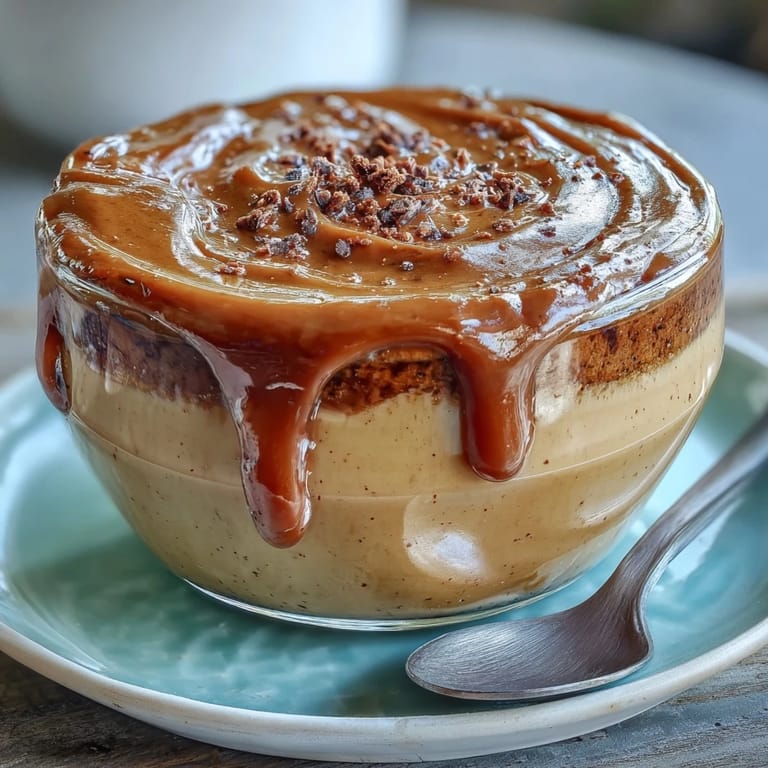
This cream is genuinely versatile, which is part of why I make it so often—one batch becomes three different desserts depending on what I'm thinking. Pipe it into cream puffs with a light hand, layer it between thin sponge cake sheets with fresh berries nestled in the center, or fold whipped cream into it for a lighter mousse-like texture that still carries that hojicha soul. The cream also plays beautifully with matcha choux pastry, with black sesame filling, or even alongside yuzu curd if you're feeling adventurous.
- For extra elegance, dust finished cream puffs with a whisper of hojicha powder on top right before serving.
- If you prefer a less rich filling, fold 1 cup of softly whipped cream into the finished pastry cream just before using.
- Make sure your choux pastry or cake layers are completely cool before filling, or the cream will soften too much and weep.
 Pin
Pin This hojicha pastry cream is the kind of thing that makes you feel like a better baker than you probably are, which is perhaps the greatest gift a recipe can offer. Make it once, and you'll understand why it's become non-negotiable in my kitchen.
Recipe FAQ
- → What does hojicha taste like in pastry cream?
Hojicha adds warm, nutty notes with subtle smokiness and a mellow sweetness. The roasted tea flavor is less grassy than matcha, creating a sophisticated taste that pairs beautifully with rich dairy.
- → Can I make this ahead of time?
Yes, this pastry cream keeps well in the refrigerator for up to 3 days. Press plastic wrap directly onto the surface to prevent skin formation. Whisk briefly before using to restore smoothness.
- → What desserts work best with hojicha pastry cream?
This custard shines in cream puffs, éclairs, and choux pastry. It also layers beautifully in cakes, fills tart shells, or can be lightened with whipped cream for a mousse-like texture.
- → Can I substitute hojicha powder for loose leaf?
Absolutely. Use 2 teaspoons of hojicha powder and whisk it directly into the warm milk. No straining needed, though you may want to whisk extra thoroughly to ensure smooth incorporation.
- → Why did my pastry cream turn lumpy?
Lumps usually form from eggs cooking too quickly. Always temper your egg mixture by gradually adding warm milk while whisking constantly. If lumps appear, press the cream through a fine mesh sieve while warm.
- → How do I make the texture lighter?
Fold in whipped heavy cream after the pastry cream has chilled completely. Use equal parts pastry cream and lightly whipped cream for a airy, mousse-like consistency perfect for delicate desserts.