 Pin
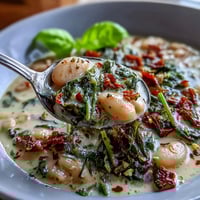
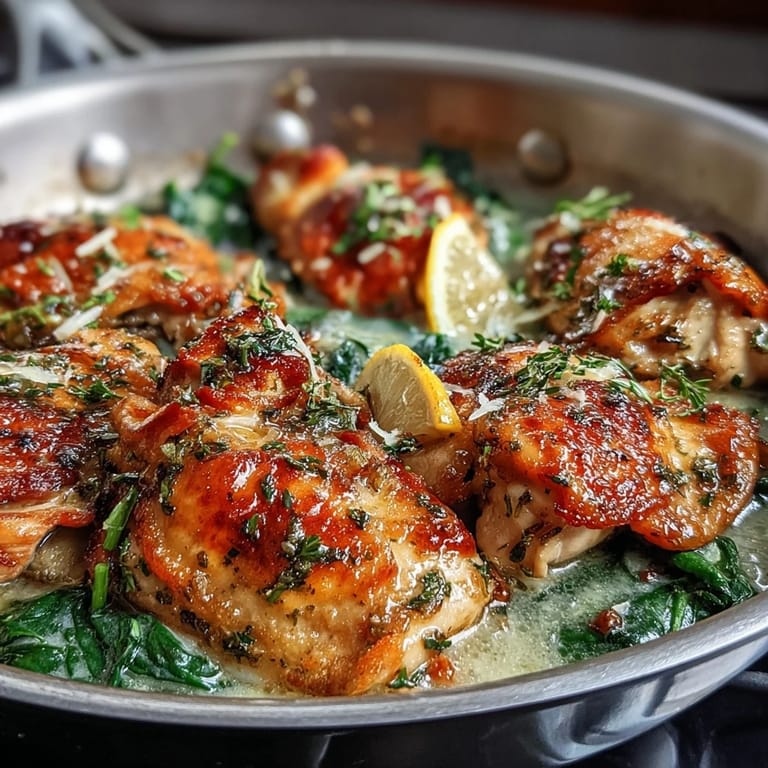
Pin There's something magical about cooking a meal in a single pot that somehow tastes like you've been working in the kitchen for hours. I discovered this lemon orzo on a Tuesday evening when I had exactly thirty minutes and absolutely no patience for multiple dishes stacked in the sink. The aroma that filled my tiny apartment—citrus mingling with garlic and that tender chicken—felt almost like I'd opened a window to the Mediterranean without ever leaving my stovetop.
I made this for my sister right after she moved into a new apartment with basically no kitchen equipment yet. I brought my Dutch oven over and we cooked it together in her half-empty kitchen, eating directly from the pot while sitting on unpacked boxes and laughing about how this simple meal felt like the most gourmet thing we'd made in weeks. She's requested it at least twice a month since then.
Ingredients
- Chicken breasts or thighs (1 lb): Thighs stay juicier and more forgiving than breasts, but either works—just cut them into consistent bite-sized pieces so they cook evenly.
- Orzo pasta (1 1/2 cups uncooked): This rice-shaped pasta absorbs the broth beautifully and becomes creamy without any cream, which is the entire magic trick of this dish.
- Fresh baby spinach (3 cups): Add it right at the end so it stays bright and vibrant rather than turning into a tired, dark pile.
- Yellow onion (1 medium, finely chopped): Finely chopped means it disappears into the dish and builds a sweet, savory base for everything else.
- Garlic (2 cloves, minced): Don't skip the thirty seconds of cooking it after the onion—that's when it releases all its fragrant personality.
- Lemon (zest and juice from 1 large): Use a microplane for the zest and squeeze the juice by hand so you can feel when you've got enough—taste as you go because lemon is personal.
- Low-sodium chicken broth (3 1/2 cups): Low-sodium lets you control the salt level and taste the actual chicken flavor, not just salt.
- Olive oil (2 tbsp): Good quality oil matters here since there's nothing hiding the flavor—it's one of the main players.
- Parmesan cheese (1/4 cup grated, optional): Stirred in at the very end, it creates a silky coating that feels indulgent without being heavy.
- Dried oregano (1 tsp): Mediterranean soul in dried form—it ties the entire flavor story together.
- Salt, black pepper, and red pepper flakes: Season in layers, tasting as you build the flavors, rather than dumping it all in at once.
Tired of Takeout? 🥡
Get 10 meals you can make faster than delivery arrives. Seriously.
One email. No spam. Unsubscribe anytime.
Instructions
- Sear the chicken until golden:
- Heat your oil until it shimmers, then add the chicken pieces in a single layer and resist the urge to move them around—let them get golden on one side first. This takes about five to six minutes and creates a flavor foundation that makes everything taste more intentional.
- Build aromatics with onion and garlic:
- Once the chicken comes out, add your chopped onion to the same pot with all those flavorful browned bits stuck to the bottom. After it softens, add the garlic and cook just long enough to smell its sharp edge soften—thirty seconds is perfect.
- Toast the orzo:
- Stir the uncooked orzo around in the oil and aromatics for about a minute—you're coating each grain and starting to open up its flavor. This step makes a real difference in the final texture.
- Simmer with the broth:
- Pour in your broth and bring it to a gentle boil, then lower the heat and let it bubble away for ten to twelve minutes, stirring occasionally so nothing sticks. The orzo will gradually absorb the liquid and become creamy.
- Bring everything back together:
- Return the chicken to the pot, add the spinach and lemon juice and zest, and stir until the spinach collapses into tender green ribbons. Taste here and adjust your salt and lemon—this is your moment to make it taste exactly right.
- Finish with cheese and serve:
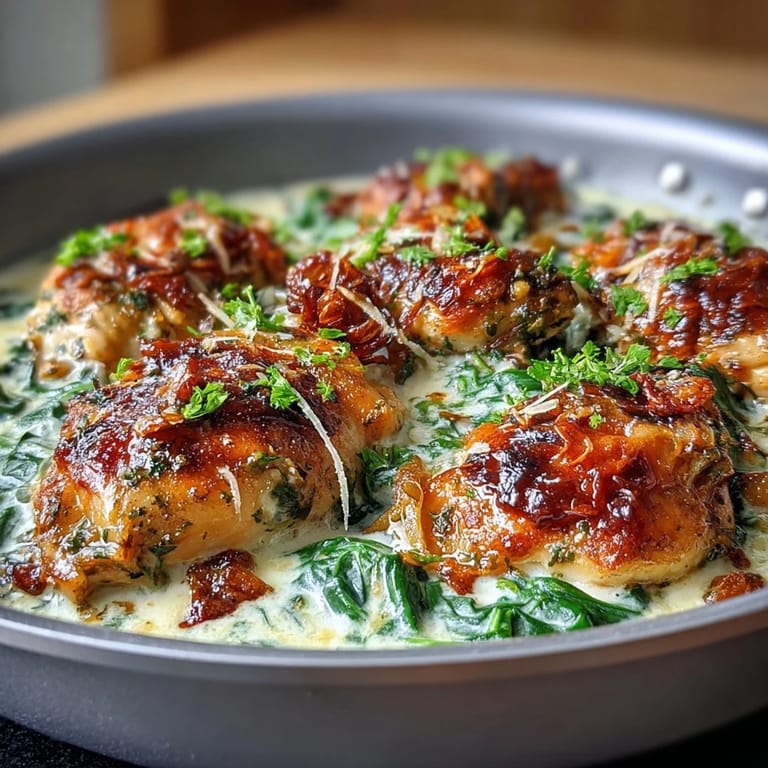
- Stir in the Parmesan if you're using it, then serve hot with extra lemon zest scattered on top for brightness and visual pop.
 Pin
Pin My neighbor came over on a rainy afternoon when neither of us felt like going out, and I made this while we talked through a difficult decision she was facing. Somehow the act of stirring the pot, watching the flavors come together, and eventually sitting down to eat something warm and nourishing made the conversation easier. Food doesn't solve problems, but it creates the kind of space where hard conversations feel more manageable.
Why This Works as a Weeknight Dinner
The entire structure of this dish respects your time and energy. You're not juggling multiple pans or waiting for water to boil separately or timing anything complicated. Everything happens in one vessel, in one rhythm, which means you can actually be present instead of stressed about coordination. By the time your chicken is cooked through and your pasta is tender, the broth has already become a silky sauce, so there's no final panic moment where you're wondering how to make it come together.
The Lemon Question
I used to be afraid of lemon in savory cooking, worried it would taste sour and aggressive, until I understood that lemon isn't meant to taste like lemon juice—it's meant to wake everything else up. The zest carries the bright floral oils while the juice adds balance and prevents the dish from feeling heavy. Start with three-quarters of the lemon juice and add the rest slowly, tasting as you go, because one person's bright and refreshing is another person's too much.
Variations and Flexibility
This recipe is genuinely flexible without falling apart, which is the mark of a well-built dish. I've made it with kale when spinach looked sad at the market, swapped in artichoke hearts when I had them on hand, and once added a handful of sun-dried tomatoes because it felt right. The core technique stays solid, so the dish forgiving about your substitutions as long as you're adding ingredients that actually want to be in a bright Mediterranean-inspired bowl.
- Baby kale or arugula work beautifully instead of spinach if that's what you have or prefer.
- Sun-dried tomatoes, artichoke hearts, or roasted red peppers all add complexity without changing the fundamental cooking method.
- For a dairy-free version, simply leave out the Parmesan or use a plant-based alternative stirred in at the end.
 Pin
Pin This meal has become my go-to when I want something that tastes like care without requiring hours of effort. It's the kind of dish that reminds you why cooking for yourself and others matters.
Recipe FAQ
- → Can I substitute chicken with another protein?
Yes, turkey or firm tofu work well as alternatives, maintaining the dish’s texture and flavor balance.
- → Is there a way to make this dish dairy-free?
Simply omit the Parmesan cheese or use a plant-based alternative to keep it dairy-free without compromising creaminess.
- → How can I adjust the lemon flavor intensity?
Add more lemon zest or juice gradually to reach your preferred brightness without overpowering the other ingredients.
- → What pasta can replace orzo if unavailable?
Small pasta shapes like acini di pepe or couscous can substitute orzo with similar cooking times and texture.
- → Can I add other vegetables to this dish?
Yes, sun-dried tomatoes, artichoke hearts, or baby kale can be incorporated for extra flavor and variety.