 Pin
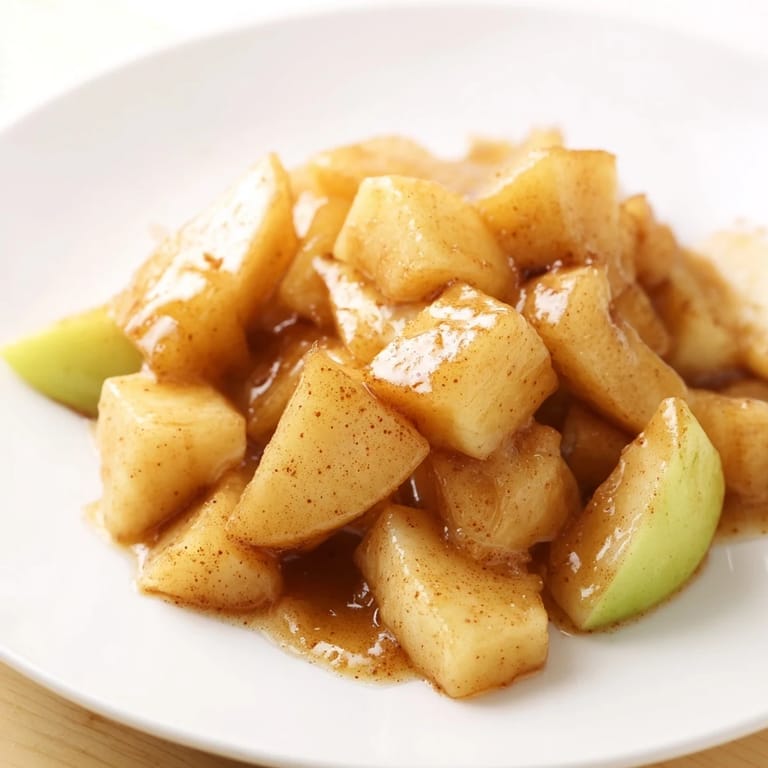
Pin There's something almost meditative about opening the slow cooker lid three hours later to find apples transformed into something entirely different from what you put in. I discovered these stewed apples by accident one autumn morning when I had more apples than time, and realized the slow cooker could do what my rushed weekday kitchen couldn't. The kitchen fills with this warm, cinnamon-honey steam that makes you want to pause and breathe it in. That first spoonful was surprisingly comforting, not overly sweet, just genuinely good.
I made this for a brunch once when a friend mentioned she was tired of overly sweet breakfast toppings, and watching her face light up when she tasted it told me everything. She started putting it on everything that morning—oatmeal, yogurt, even a piece of buttered toast. That's when I realized this wasn't just a recipe, it was the kind of thing people remember.
Ingredients
- 6 large apples (Granny Smith, Honeycrisp, or Fuji): The variety matters more than you'd think—Granny Smiths hold their shape beautifully, while Honeycrisps turn silky, and Fuji apples bring a subtle sweetness. Mix them if you want texture variety.
- 1/4 cup honey: This is the only sweetener you really need, and it mellows beautifully into the apples rather than sitting on top like sugar would.
- 1/2 teaspoon ground cinnamon: Don't skip this or substitute it—the slow heat draws out the cinnamon's warmth in a way that tastes almost buttery.
- 1 tablespoon lemon juice: This tiny amount is the secret that keeps everything from tasting one-dimensional, brightening all the flavors.
- 1/4 cup water: Just enough to create steam and prevent sticking, nothing more.
- 1/4 teaspoon ground nutmeg (optional): If you use this, go easy—it can easily overpower the delicate apple flavor.
- 1/2 teaspoon vanilla extract (optional): Stir this in at the very end for a whisper of warmth and depth.
- Pinch of salt: This tiny amount amplifies everything else without tasting salty itself.
Tired of Takeout? 🥡
Get 10 meals you can make faster than delivery arrives. Seriously.
One email. No spam. Unsubscribe anytime.
Instructions
- Prep your apples:
- Peel, core, and chop them into 1-inch chunks—this size matters because smaller pieces turn to mush, while larger ones won't cook through evenly. Have them ready before you turn on the slow cooker.
- Layer everything in:
- Add apples to the slow cooker, then drizzle honey and lemon juice over them, sprinkle cinnamon and nutmeg if using, add water and salt. The order doesn't matter much, but doing it this way helps the seasonings distribute.
- Stir and cover:
- Give everything one gentle stir so nothing's stuck to the bottom, then cover and cook on low for 3 hours. Resist the urge to keep peeking—each time you lift that lid, you release steam and add cooking time.
- Stir once or twice:
- If you can, stir gently midway through cooking just to ensure even cooking. This isn't essential but helps.
- Check for doneness:
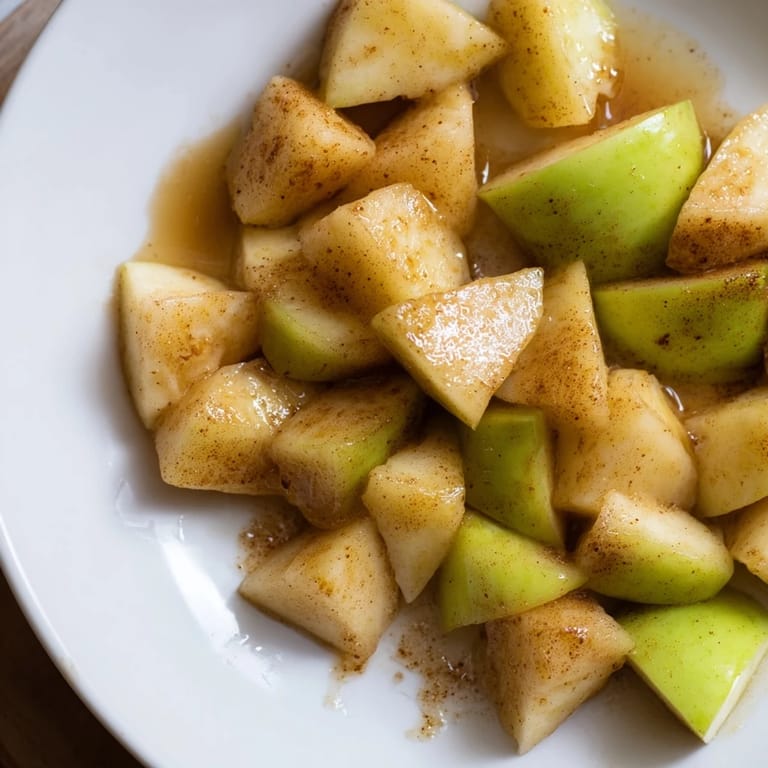
- At the 3-hour mark, apples should be tender enough to break apart easily with a fork, but still hold some shape. If they're still firm, give them another 30 minutes.
- Finish and serve:
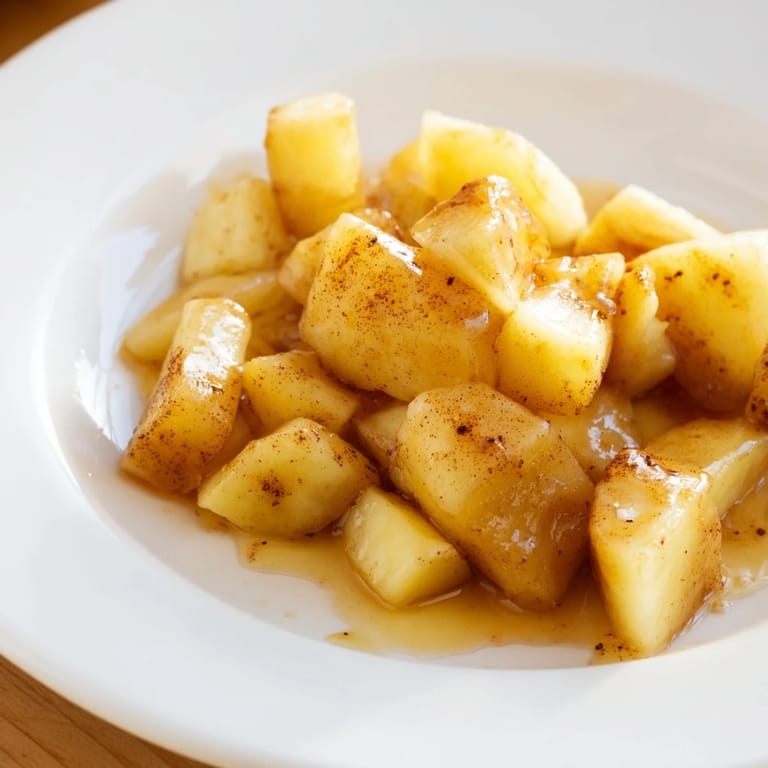
- Stir in vanilla extract if using, then decide your texture. Serve warm as-is for chunky compote, or mash it with a fork if you prefer something smoother and more sauce-like.
 Pin
Pin I've served this at potlucks where people actually asked for the recipe, which almost never happens with desserts. There was something about its simplicity that felt almost more elegant than fussier options.
Texture Matters
The beauty of the slow cooker is that you can stop cooking anytime between 2.5 and 3.5 hours depending on whether you want chunky or smooth. I usually aim for somewhere in the middle—soft enough to spread easily but structured enough that each spoonful still tastes like apple. If you pull the lid off and see what looks like applesauce already, you're probably at your texture window.
How to Serve This
This is deceptively versatile once you stop thinking of it as just a dessert. Warm with granola and yogurt for breakfast, spooned over vanilla ice cream after dinner, stirred into oatmeal on a cold morning, or even served alongside roasted pork where it acts like a slightly sweet, spiced glaze. I've even folded it into pancake batter before cooking because I ran out of toppings and it worked surprisingly well.
Make It Your Own
Once you've made this once, you'll start seeing variations everywhere. Maple syrup swaps beautifully for honey and tastes deeper and less floral. Brown sugar makes it denser and almost caramel-like. A splash of apple cider vinegar at the end sounds odd until you taste how it brightens everything, especially if your apples were sweeter than expected. The formula is forgiving enough that these changes work seamlessly.
- If you're serving this to someone avoiding honey, use an equal amount of maple syrup or brown sugar instead.
- Store leftovers in a covered container in the fridge for up to five days, and it tastes great cold or reheated.
- Double this recipe without hesitation—it freezes beautifully for up to three months and tastes just as good from frozen.
 Pin
Pin This recipe became my go-to when I needed something that tasted like I'd spent hours in the kitchen but barely asked anything of me. It's the kind of cooking that reminds you why you love having a kitchen in the first place.
Recipe FAQ
- → What type of apples works best?
Firm varieties like Granny Smith, Honeycrisp, or Fuji hold their shape well, providing a balance of tartness and sweetness.
- → Can I use maple syrup instead of honey?
Yes, maple syrup adds a rich sweetness and pairs nicely with the cinnamon and apples.
- → How do I get a smoother texture?
After cooking, mash the apples gently with a fork or potato masher for a smoother compote consistency.
- → Is it necessary to add water?
A small amount of water helps prevent sticking and aids in simmering, but too much can dilute flavors.
- → Can this be served cold or only warm?
It can be enjoyed warm for comfort or chilled for a refreshing topping or side.
- → What dishes pair well with this apple preparation?
It complements breakfast dishes like oatmeal and pancakes, as well as desserts or roasted meats.