 Pin
Pin Last spring, I found myself standing in my garden with a basket half-full of dandelion greens when my neighbor leaned over the fence and asked if I'd ever tried the flowers. She mentioned her grandmother used to bake them into scones—delicate, honey-sweetened things that tasted like springtime itself. That conversation led me to these dandelion honey scones, and now they're the first thing I make when those bright yellow blooms cover the yard.
I made these for my book club meeting on a rainy April afternoon, and watching people's faces when they realized the delicate flavor came from something growing in their own yards was unexpectedly moving. One friend asked for the recipe three times before I finally texted it to her, and now she sends me photos of her dandelion patch every spring.
Ingredients
- All-purpose flour (2 cups): The foundation that makes these scones tender rather than dense; measuring by weight rather than volume prevents the heaviness that ruins so many homemade versions.
- Granulated sugar (1/4 cup): Just enough to let the dandelion flavor shine without overshadowing it with sweetness.
- Baking powder (1 tbsp): The lift that creates those perfect, crumbly layers everyone loves about good scones.
- Fine sea salt (1/2 tsp): A small amount that somehow makes everything taste more like itself.
- Unsalted butter, cold and cubed (1/2 cup): The secret to flaky texture is keeping this genuinely cold; I learned this the hard way after one unfortunate warm-butter incident that produced dense hockey pucks instead of scones.
- Whole milk, cold (2/3 cup): Temperature matters here too; cold milk keeps the dough workable and prevents overworking.
- Dandelion petals, fresh and pesticide-free (2 tbsp for dough, 2 tbsp for garnish): Use only the bright yellow parts of fully opened flowers, harvesting from areas you know haven't been sprayed, and pull them just before baking so they stay vibrant.
- Honey (2 tbsp in dough, 1 tbsp for drizzling): Raw honey adds deeper flavor than processed versions, though either works in a pinch.
- Large egg (1): Binds the dough and helps create that golden-brown finish.
- Clotted cream, for serving: If you can't find it, whipped cream or mascarpone captures some of that richness, though clotted cream's density is really worth seeking out.
Tired of Takeout? 🥡
Get 10 meals you can make faster than delivery arrives. Seriously.
One email. No spam. Unsubscribe anytime.
Instructions
- Set the stage:
- Preheat your oven to 400°F and line a baking sheet with parchment paper so you're ready to move when the dough is ready.
- Build the dry base:
- Whisk together flour, sugar, baking powder, and salt in a large bowl, breaking up any lumps so everything distributes evenly. This takes about a minute and sets up everything that comes next.
- Cut in the butter:
- Add your cold, cubed butter and work it in using a pastry cutter, two forks, or your fingertips until the mixture looks like coarse breadcrumbs with some pea-sized pieces still visible. This texture is crucial for flaky layers, so resist the urge to make it perfectly smooth.
- Combine the wet ingredients:
- In a separate bowl, whisk together cold milk, honey, egg, and the dandelion petals, which will start to break down slightly and color the mixture pale yellow. The petals release their flavor into the milk as they sit.
- Bring it together gently:
- Pour the wet mixture into the dry ingredients and stir with a fork using as few strokes as possible until just combined; the dough should look slightly shaggy, almost like you haven't finished mixing. Overmixing develops gluten and turns scones tough.
- Shape the dough:
- Turn the dough onto a lightly floured surface and gently pat it into a 1-inch-thick round disk without pressing down hard. Cut it into 8 wedges like you're slicing a pie.
- Bake until golden:
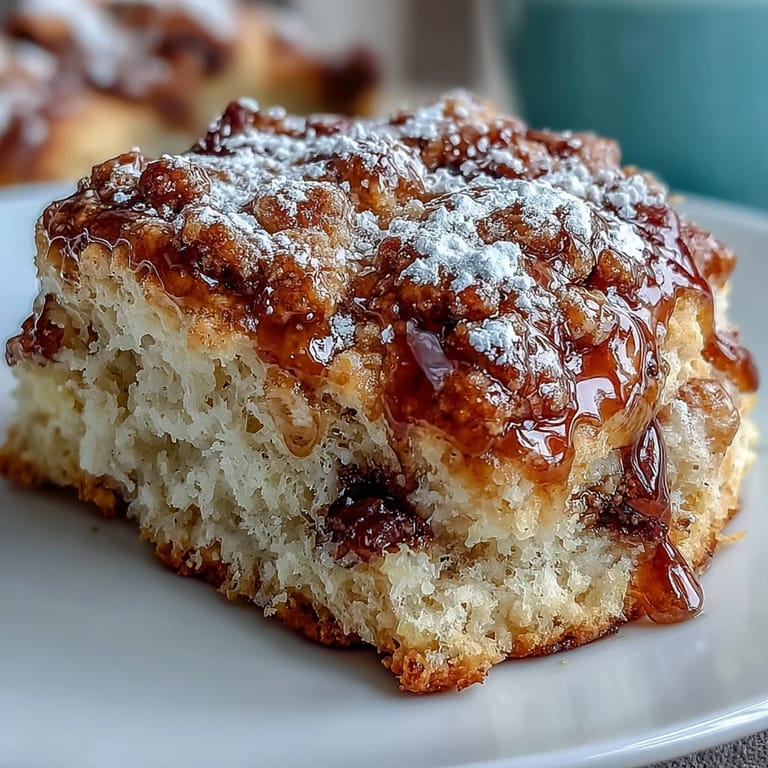
- Arrange wedges on your prepared baking sheet and bake for 16 to 18 minutes until they're puffed and golden brown on top. The kitchen will smell like honey and spring.
- Finish with flourish:
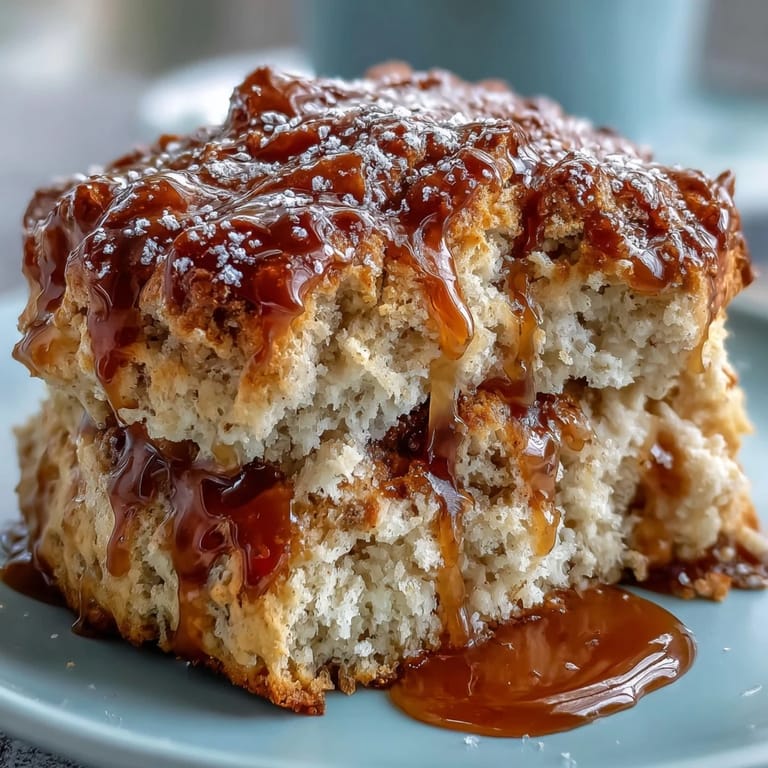
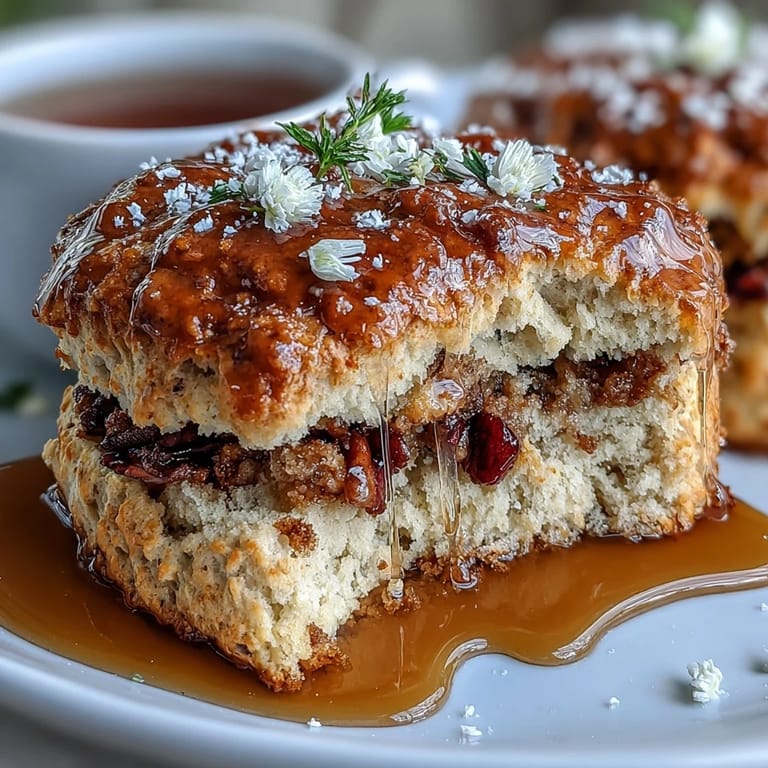
- Remove from the oven, let cool for a few minutes, then drizzle with a little honey and scatter the fresh dandelion petals over the warm scones so they stick.
- Serve with ceremony:
- Serve while still warm with generous dollops of clotted cream on the side or nestled on top.
 Pin
Pin The moment that really sealed this recipe for me came when my mother visited in late May and we picked dandelions together from the garden at sunrise, then baked these scones while talking about her own mother's cooking. We sat on the porch eating them warm with clotted cream and tea, and for the first time in years, she told me a story about my grandmother baking with edible flowers during wartime when ingredients were scarce.
Why Dandelions Deserve Your Attention
Most people think of dandelions as weeds to remove, but cooking with them shifts that perspective entirely. The yellow petals have a subtle honey-like quality with just a hint of bitterness that balances sweetness beautifully, and there's something deeply satisfying about turning something from your yard into breakfast. The flowers are also surprisingly good for you, packed with vitamins and minerals, which feels like a secret bonus when you're just trying to make something delicious.
The Art of the Scone
Scones sit in this beautiful space between biscuits and cake, and getting there requires respecting the process rather than rushing it. The key is treating your dough like it's fragile—because it is—and understanding that a few visible butter pieces in the dough create the flaky layers that make a scone sing. I've watched too many bakers overthink this and end up with dense results, when really the magic is in doing less rather than more.
Timing and Pairing Magic
These scones are honestly best eaten the day they're baked while they still have warmth and softness, though they'll keep in an airtight container for a day or two if you need them to. For serving, think about what you're pairing them with: they work wonderfully with spring teas like chamomile or a delicate white tea, and if you're feeling celebratory, a light sparkling wine actually complements the honey and floral notes in surprising ways.
- Store cooled scones in an airtight container at room temperature, not the fridge, which dries them out faster.
- You can prepare the dry ingredients the night before and mix everything else in the morning for a quicker brunch assembly.
- If your clotted cream isn't available, mascarpone whipped with a touch of honey creates a similar luxurious effect.
 Pin
Pin These scones turned what I thought was a garden nuisance into something I now protect and celebrate each spring. Make them for someone you want to impress, or make them for yourself on a quiet morning when you want breakfast to feel like a small act of wonder.
Recipe FAQ
- → Can I use dried dandelion petals instead of fresh?
Fresh dandelion petals provide the best floral flavor and texture, but dried petals can be used if rehydrated gently. The flavor might be less vibrant.
- → What can substitute clotted cream for serving?
Whipped cream or mascarpone cheese make excellent alternatives, offering similar rich and creamy textures.
- → How can I tell when the scones are perfectly baked?
The scones are done when they turn golden brown on top and feel light and puffed when gently pressed.
- → Is it important to keep the butter cold during preparation?
Yes, cold butter creates a flaky texture by forming small pockets of steam during baking, enhancing tenderness.
- → Can these scones be prepared ahead of time?
They are best enjoyed fresh but can be frozen baked or unbaked, then reheated or baked before serving for optimal freshness.