 Pin
Pin There's something about the moment a simple ingredient transforms into something meant to impress that stops me in my tracks. I was arranging a cheese board one evening when I realized the most striking presentation didn't require hours of effort—just a moment of intentional design. The Victorian Cameo came to life that night, inspired by the elegant silhouettes I'd seen in old jewelry, and suddenly an ordinary appetizer became a conversation piece. It's the kind of dish that makes people pause and admire before they taste it.
I made these for a dinner party where I wasn't sure anyone would stay late, but watching guests stand around the kitchen counter admiring the little cameos before eating them changed the mood entirely. Someone asked if I'd trained in plating, and I nearly laughed—it was just olive paste and a spoon, but it felt like the kind of detail that says you care. That night taught me that food doesn't have to be complicated to feel sophisticated.
Ingredients
- Fresh goat cheese or cream cheese (200 g): The base matters here; goat cheese brings a subtle tang that plays beautifully against the olives, while cream cheese is milder and creamier if that's your preference.
- Black olive tapenade (80 g): This is where the drama lives—store-bought works perfectly, but homemade feels special and lets you control the saltiness.
- Rustic baguette or gluten-free crackers: These are optional but they give your guests something to hold onto and add a textural counterpoint to the soft cheese.
- Fresh herbs like thyme or chives: A small sprinkle of something green makes the whole thing look intentional; choose whatever feels right in your kitchen.
- Extra virgin olive oil: Don't skip this—that final drizzle catches the light and adds a whisper of richness.
Tired of Takeout? 🥡
Get 10 meals you can make faster than delivery arrives. Seriously.
One email. No spam. Unsubscribe anytime.
Instructions
- Shape your cheese into elegant ovals:
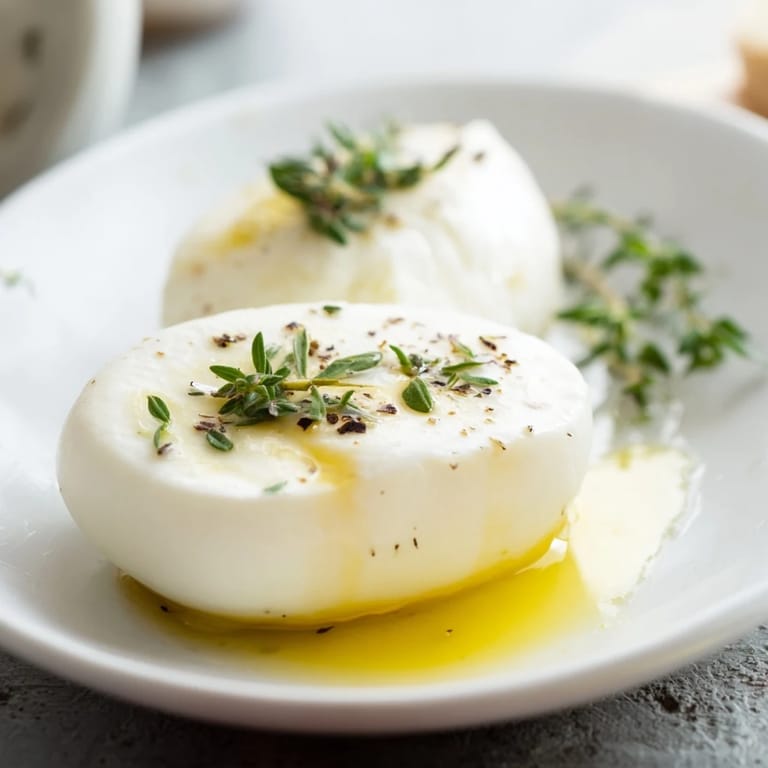
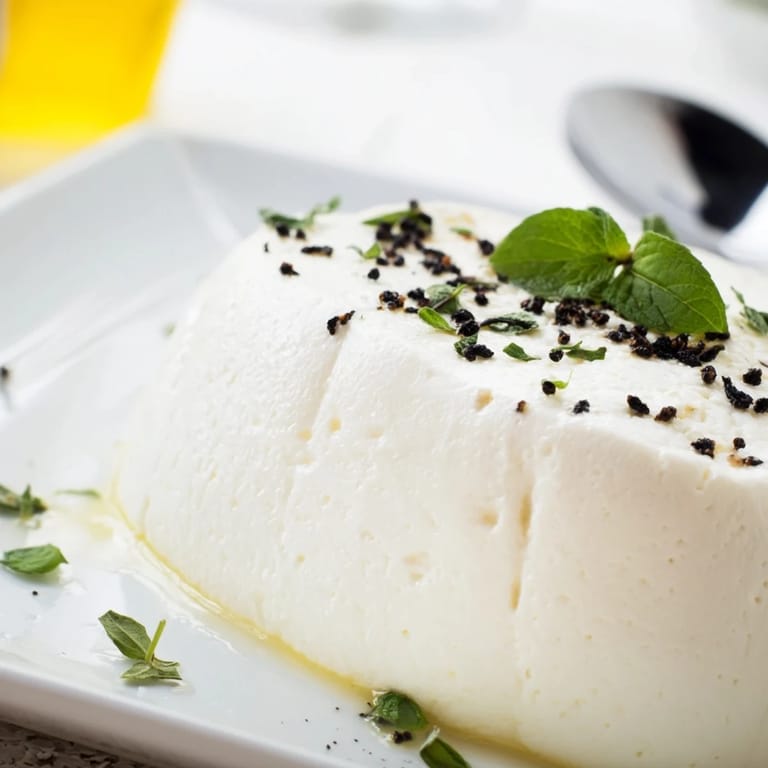
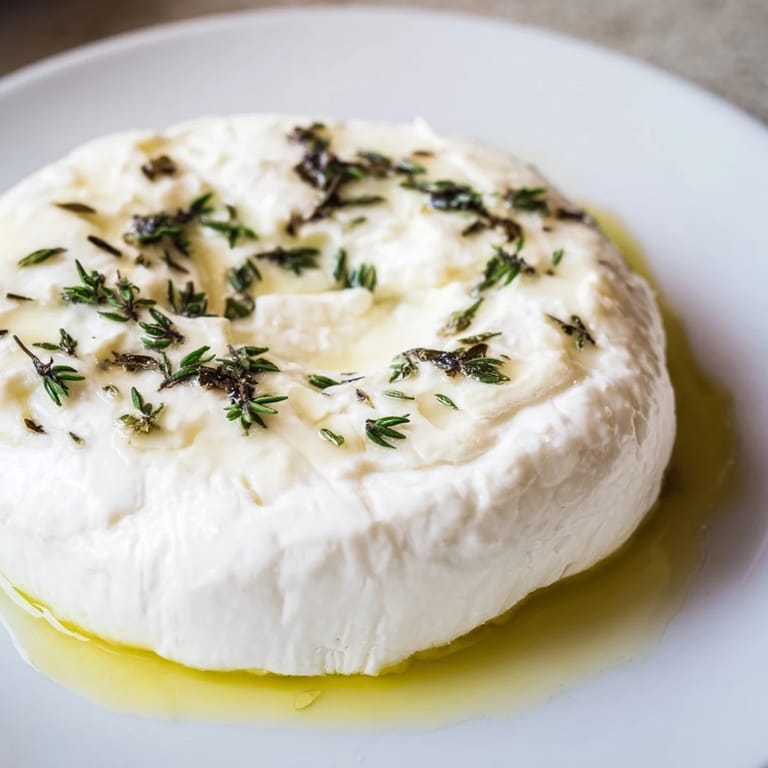
- Scoop or gently mold the cheese into four thick medallions, each about 2 cm tall, and place them on serving plates or atop bread slices. Work gently so they hold their shape, and if they're a bit rustic-looking, that's perfectly fine—it adds character.
- Paint on the tapenade silhouette:
- Using the back of a spoon or small spatula, spread a thin, deliberate layer of black olive tapenade across each cheese oval to create that cameo effect. You can freehand a profile, use a stencil for precision, or simply create an abstract shape—it's your moment to be playful.
- Finish with oil and herbs:
- Drizzle a little olive oil around each cameo and scatter your chosen fresh herbs across the plate. This final touch is where the dish goes from good-looking to striking.
- Serve right away:
- These are best enjoyed immediately while everything is fresh and the cheese still has that perfect texture. Set out extra bread or crackers alongside so people can build their own bites.
 Pin
Pin The first time someone actually gasped at these little cheese ovals, I realized that elegance isn't always about doing more—it's about being intentional with small details. That reaction stuck with me and changed how I think about plating simple food.
Making It Your Own
This dish is a canvas waiting for your instincts. If you love herbs, layer them generously before the tapenade for a different visual entirely. If roasted red peppers speak to you more than olives, spread those instead—the principle of the cameo stays the same. I've experimented with everything from sun-dried tomato paste to a vibrant beet reduction, and each version felt like a small discovery. The beauty is that you can make this recipe yours without changing a single ingredient if you don't want to, or reinvent it completely if you do.
The Homemade Tapenade Path
If you want to go deeper, making your own tapenade is genuinely easy and tastes noticeably better than many store versions. The moment the olives, garlic, and capers hit the blender and suddenly smell like a Mediterranean kitchen is worth the extra five minutes. You control the texture—I like mine a little chunky—and the intensity of salt and lemon, which matters when you're placing something this visible on top of delicate cheese.
Serving & Pairing Moments
These little cameos shine when you set them out before people are too hungry, when there's room to admire and discuss before devouring. I've found they pair beautifully with a crisp Sauvignon Blanc where the wine's acidity complements the tapenade's brininess, or with a light Pinot Noir if your evening leans toward red wine and richer flavors. They also work perfectly as part of a larger spread or vegetarian board where they become the conversation starter, the one thing people come back to twice.
- Make these up to two hours ahead and keep them cool until serving—the cheese holds its shape beautifully.
- If you're serving a crowd, you can prep the cheese ovals and tapenade separately, then assemble just before guests arrive.
- Don't forget to let people know if you've used homemade tapenade; they'll taste the difference and appreciate it.
 Pin
Pin The Victorian Cameo reminds me why I love cooking—because sometimes the most memorable moments come from paying attention to small details and trusting that simplicity, when it's done with care, feels like luxury. Every time you make these, you're creating something that lands in people's memories as effortlessly elegant.
Recipe FAQ
- → What cheese is best for the Victorian Cameo?
Fresh goat cheese (chèvre) or cream cheese both provide a smooth, creamy texture ideal for shaping the medallions.
- → Can the tapenade be homemade?
Yes, a homemade tapenade can be made by blending black olives, garlic, capers, lemon juice, and olive oil until smooth.
- → How can I serve the dish for gluten-free guests?
Serve the cheese medallions atop gluten-free crackers instead of regular bread.
- → What herbs complement this dish best?
Fresh thyme or chives finely chopped add a subtle herbal note that enhances the flavors.
- → What wine pairs well with this dish?
A crisp Sauvignon Blanc or a light Pinot Noir pairs beautifully with the creamy cheese and olive tapenade.