 Pin
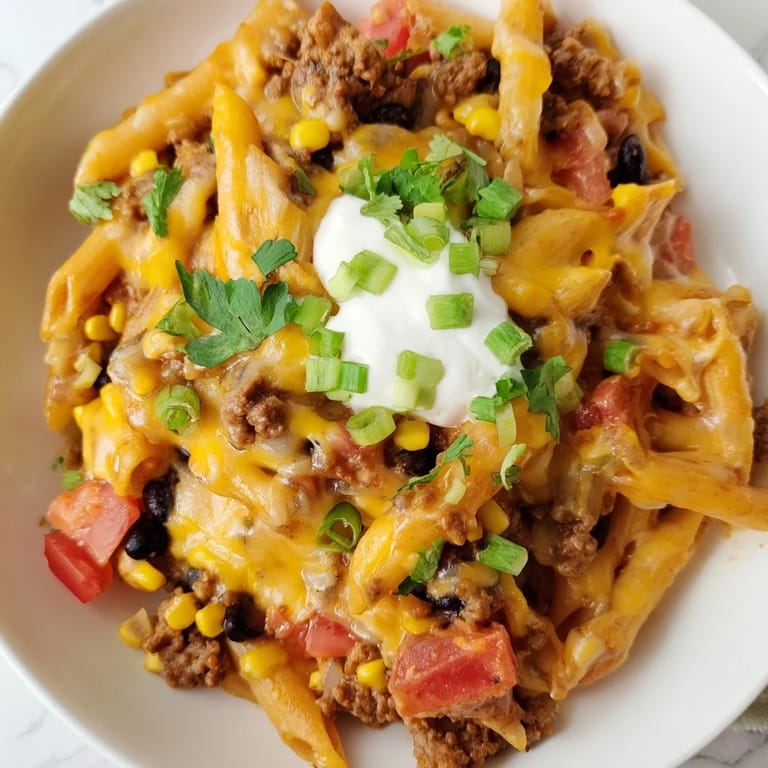
Pin There was a Tuesday night when I had twenty minutes to get dinner on the table and nothing but ground beef, pasta, and whatever was rattling around in my pantry. I tossed it all into one pot with some taco seasoning, and somehow—whether by luck or kitchen desperation—it turned into this creamy, cheesy, entirely too-good one-pot miracle that my family asked for again the next week. Now it's become the meal I make when I want something that feels indulgent but doesn't demand hours of attention.
I remember my neighbor stopping by just as I was stirring in the cheese, and the smell of that savory, cheesy beef-and-pasta moment had her asking for the recipe before she even tasted it. She came over three weeks later with her own ground beef, ready to make it, and I realized this dish had quietly become the kind of thing that brings people together without fuss.
Ingredients
- Ground beef (1 lb): Brown it well to build flavor; don't rush this step or you'll miss out on those caramelized bits that add depth to the whole pot.
- Cheddar and Monterey Jack cheese (1.5 cups total): The combination of sharp cheddar with creamy Monterey Jack creates a more complex cheese flavor than either alone; shred it fresh if you can.
- Short pasta (8 oz): Penne, shells, or rotini all work equally well; smaller shapes hold onto the cheesy sauce better than long noodles would.
- Onion and garlic: Soften the onion first so it dissolves into the base, then add garlic just long enough to become fragrant.
- Canned corn and black beans: Drain them well so you're not adding extra liquid that will make the dish watery.
- Diced tomatoes: Keep the juices; they add moisture and acidity that balances the richness of the cheese.
- Chicken or beef broth (2 cups): This is your cooking liquid for the pasta; use low-sodium so you can control the salt level yourself.
- Taco seasoning (2 tbsp): This is the backbone of the flavor; store-bought works beautifully, but homemade (cumin, paprika, garlic powder, chili powder, salt) gives you more control.
Tired of Takeout? 🥡
Get 10 meals you can make faster than delivery arrives. Seriously.
One email. No spam. Unsubscribe anytime.
Instructions
- Brown the beef:
- Set your skillet over medium-high heat and let it get hot before adding the ground beef. Break it up as it cooks so you get pieces, not clumps, and let them sit for a minute or two to develop some color and crust.
- Build the aromatics:
- Once the beef is mostly cooked, add the chopped onion and let it soften for a couple of minutes until it's translucent. Add the garlic just at the end so it doesn't burn.
- Season everything:
- Sprinkle the taco seasoning, salt, and pepper right over the beef and stir it around so every piece gets coated. You'll smell it wake up immediately.
- Combine and cook:
- Dump in the corn, black beans, tomatoes with their juices, dry pasta, and broth. Stir well so nothing sticks to the bottom, then bring it to a gentle boil.
- Simmer until tender:
- Turn the heat down low, cover the pot, and let it bubble quietly for 12 to 15 minutes. Stir now and then so the pasta cooks evenly, and taste it around the 12-minute mark—pasta times vary, and you want it tender, not mushy.
- Finish with cheese:
- Once the pasta is soft and most of the liquid has been absorbed, sprinkle both cheeses over the top, cover, and let it sit for a couple of minutes. The residual heat will melt them into this creamy, dreamlike sauce.
- Stir and serve:
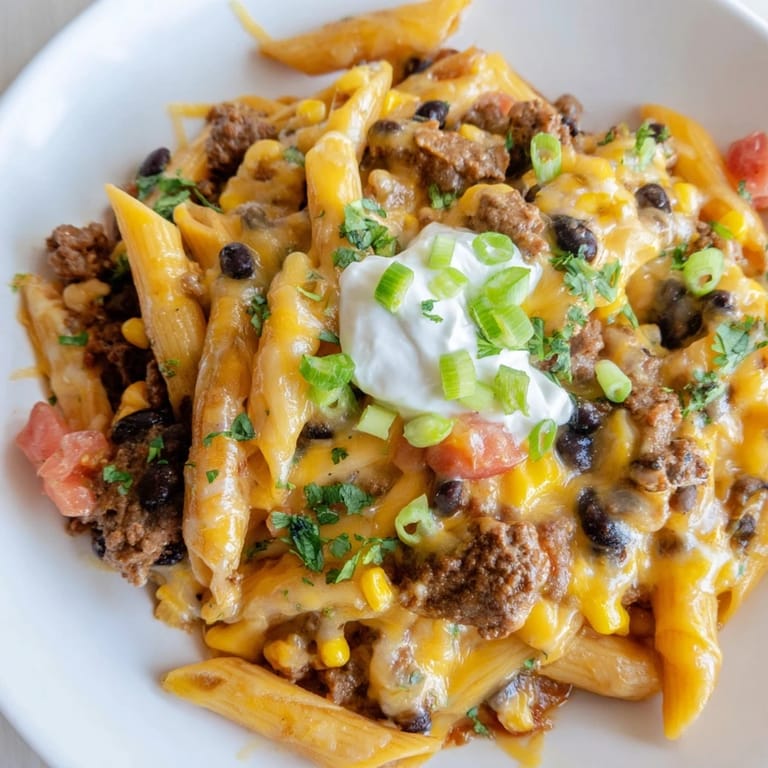
- Gently stir the cheese through so it distributes evenly, creating a cohesive, saucy dish. Serve it hot with whatever toppings you're in the mood for.
 Pin
Pin What I love most about this dish is watching people's faces when they realize it all came from one pot. There's something about simplicity that just makes food taste better.
Why This Works as a One-Pot Meal
Cooking everything together means the pasta absorbs all the flavors from the beef, beans, and tomatoes as it cooks, so every bite tastes intentional and layered rather than like separate ingredients thrown together. The broth acts as both a cooking liquid and the base for a creamy sauce once the cheese melts in, so you skip any extra steps. I've made this in a regular skillet, a Dutch oven, and even a large saucepan—any vessel that can hold everything without overflowing works just fine.
Making It Your Own
This recipe is a foundation, not a strict rulebook. I've made it with ground turkey when I had that on hand, added a can of black olives because I was in a Mediterranean mood one day, and thrown in jalapeños because my partner suddenly wanted heat. The beauty of a one-pot meal like this is that you can adapt it to what's in your fridge without throwing off the balance.
Serving Suggestions and Storage
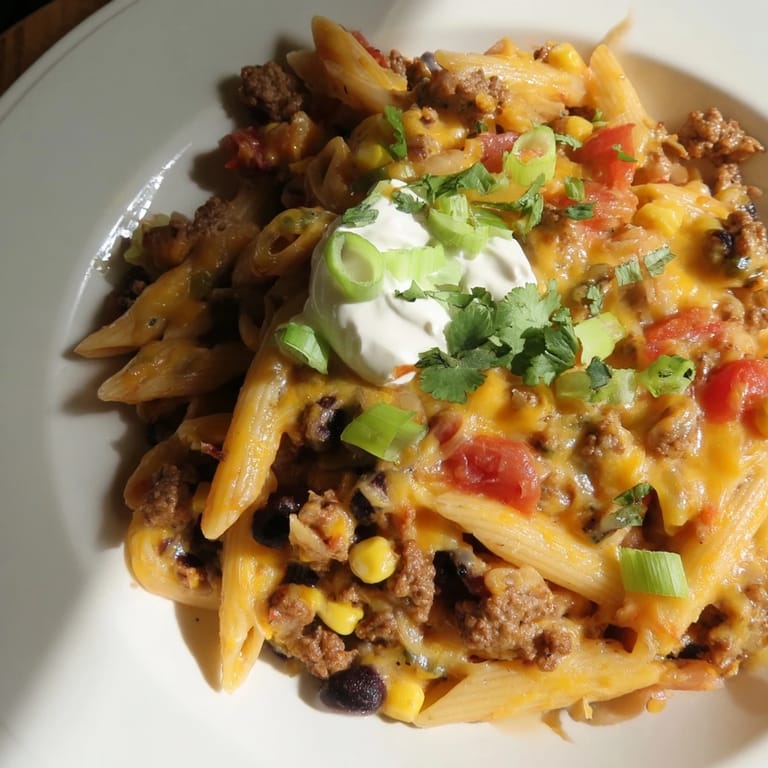
Serve it straight from the pot while it's still warm and the cheese is at its creamiest. Leftovers keep well in the fridge for three or four days and reheat gently on the stovetop with a splash of broth if they've dried out a bit. It also freezes reasonably well, though the texture of the pasta softens a touch after thawing—not a dealbreaker, just something to expect.
- Top with fresh cilantro, sliced green onions, or a dollop of sour cream for brightness and richness.
- Serve with warm tortillas on the side if you want to lean into the Tex-Mex vibe.
- A simple green salad cuts through the richness beautifully, especially if it has a lime-based dressing.
 Pin
Pin This is the meal I make when I want my kitchen to smell amazing and my people to feel nourished without any fuss. It's honest, it's filling, and it never fails to satisfy.
Recipe FAQ
- → What type of pasta works best for this dish?
Short pasta shapes like penne, shells, or rotini hold the sauce well and cook evenly in this dish.
- → Can I substitute the ground beef?
Yes, ground turkey or chicken can be used for a lighter variation without sacrificing flavor.
- → How is the cheese incorporated?
Cheddar and Monterey Jack cheeses are added off heat and melted gently into the pasta for a creamy texture.
- → Is it possible to make this dish spicier?
Adding diced jalapeños or swapping cheddar for pepper jack cheese can give this a nice spicy kick.
- → Can I prepare this ahead of time?
It’s best served fresh to enjoy the melted cheese and tender pasta, but leftovers can be reheated gently.