 Pin
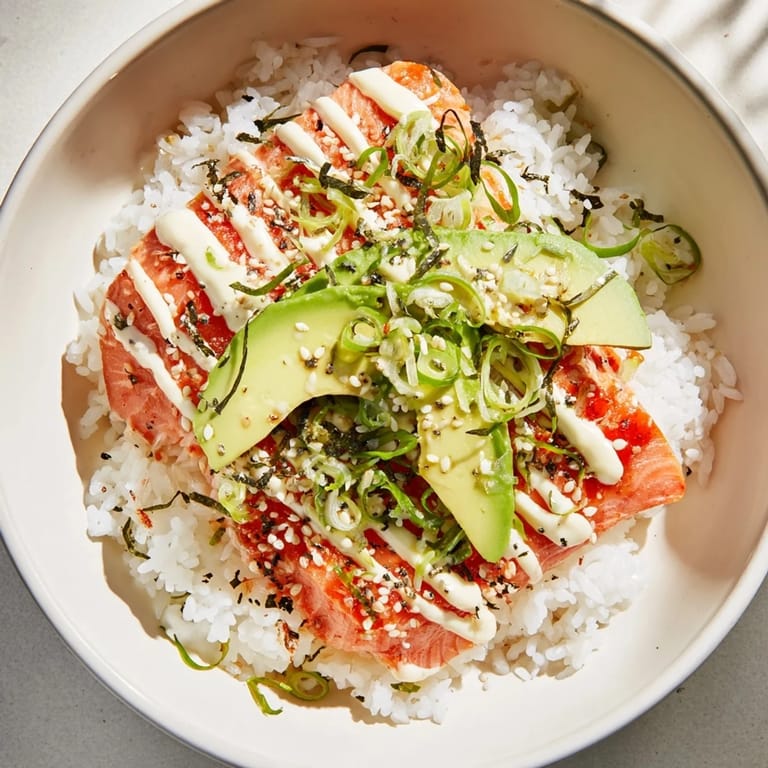
Pin The first time I scrolled past this salmon rice bowl on my feed at midnight, I wasn't looking for a new obsession. But there it was—creamy, golden, topped with avocado and nori, so effortlessly elegant that I had to try it the next morning with leftover salmon and rice I'd forgotten about. Twenty-five minutes later, I was sitting at my kitchen counter in complete silence, just eating, not thinking about much of anything except how something this simple could taste so intentional. That bowl changed how I think about using up odds and ends in the fridge.
I made this for my friend who keeps saying she doesn't have time to cook, and watching her face when she realized the whole thing took less time than ordering delivery was worth every step. She asked me to write down the recipe right there on the back of an old receipt, then immediately started talking about bringing it to work for lunch. That's when I knew this wasn't just another internet recipe—it actually works.
Ingredients
- Cooked salmon fillet (about 170 g / 6 oz): Flaking it by hand means you control the size of each piece, which matters more than you'd think for texture—bigger flakes hold onto the sauce better.
- Cooked white rice (2 cups, preferably leftover and chilled): Cold rice breaks apart more easily and won't turn mushy when you mix it, so this is actually the ideal use for yesterday's rice.
- Soy sauce (1 tablespoon): This is your anchor flavor, the thing that makes everything taste intentional instead of random.
- Sesame oil (1 teaspoon): A tiny amount goes a long way—it's concentrated and nutty, so measure carefully or you'll overpower the dish.
- Japanese mayonnaise like Kewpie (1 tablespoon): It's richer and less sharp than regular mayo, which sounds like a small detail until you taste the difference.
- Sriracha or chili sauce (1 teaspoon, optional): Add this only if you want heat; even a careful hand can make it spicy fast.
- Avocado, sliced (1): Choose one that's ripe but still firm enough to slice cleanly—if it's too soft, it'll mush into everything.
- Roasted seaweed sheets (1, cut into squares): This is your edible scoop and your textural punch, so don't skip it or substitute.
- Toasted sesame seeds (1 teaspoon): Toast them yourself if you have time; the difference between raw and toasted is honestly worth the two minutes.
- Spring onions, thinly sliced (2): They add brightness and a tiny bite that keeps the bowl from feeling heavy.
- Pickled ginger (optional): If you use it, a small amount cuts through the richness beautifully.
- Lemon or lime wedges (optional): A squeeze at the end wakes everything up.
Tired of Takeout? 🥡
Get 10 meals you can make faster than delivery arrives. Seriously.
One email. No spam. Unsubscribe anytime.
Instructions
- Flake the salmon:
- Place your cooked salmon in a microwave-safe bowl and use a fork to break it into uneven pieces—you want some texture variation, not a uniform paste. If your salmon is cold, this takes about thirty seconds of gentle work.
- Add and fluff the rice:
- Layer your cooked rice on top of the flaked salmon. If you're using leftover rice, sprinkle just enough water over it to wake it up without making it soggy, then give it a gentle stir so the moisture distributes evenly.
- Warm everything together:
- Cover the bowl with a microwave-safe plate or plastic wrap and microwave on high for one to two minutes, just until the whole thing is heated through and steaming. You're not cooking anything here, just bringing it all to a comfortable eating temperature.
- Season with intention:
- Add your soy sauce and sesame oil directly to the warm bowl, then mix everything together with purpose. You want the sauce to coat the rice evenly, not pool in one corner—this takes about thirty seconds of stirring.
- Add richness and heat:
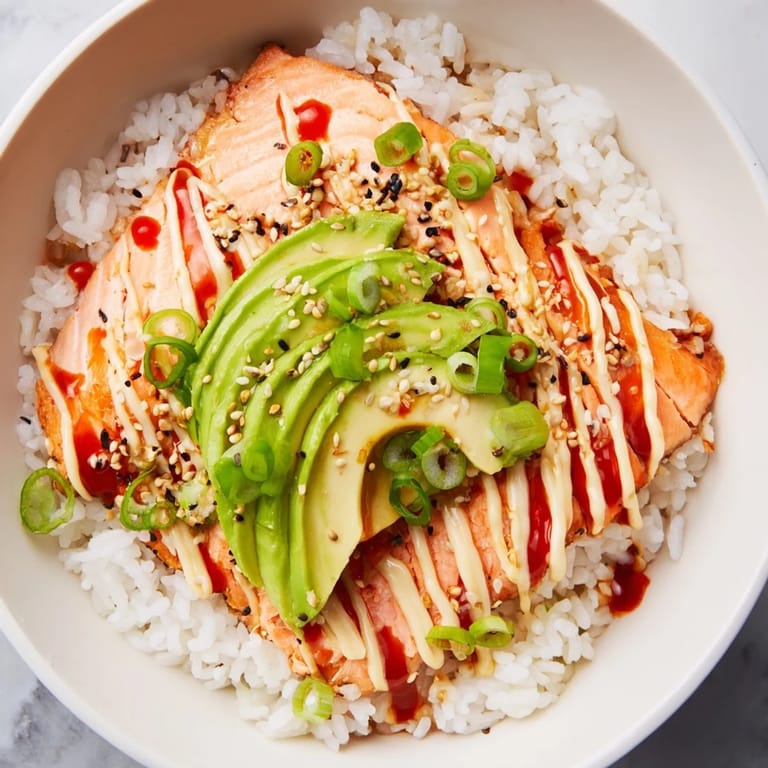
- Drizzle the mayonnaise across the top in a thin spiral, then add your Sriracha if you're using it. I usually add less than I think I need, then taste it before committing to more.
- Build the top layer:
- Arrange your avocado slices, spring onions, sesame seeds, and pickled ginger across the top in whatever pattern feels right to you. This is the part that makes it look intentional, so take a second to make it pretty.
- Serve with intention:
- Serve with the nori sheets on the side, along with your lemon or lime wedges. Use the seaweed to scoop up bites instead of a spoon—it changes how the flavors hit your mouth.
 Pin
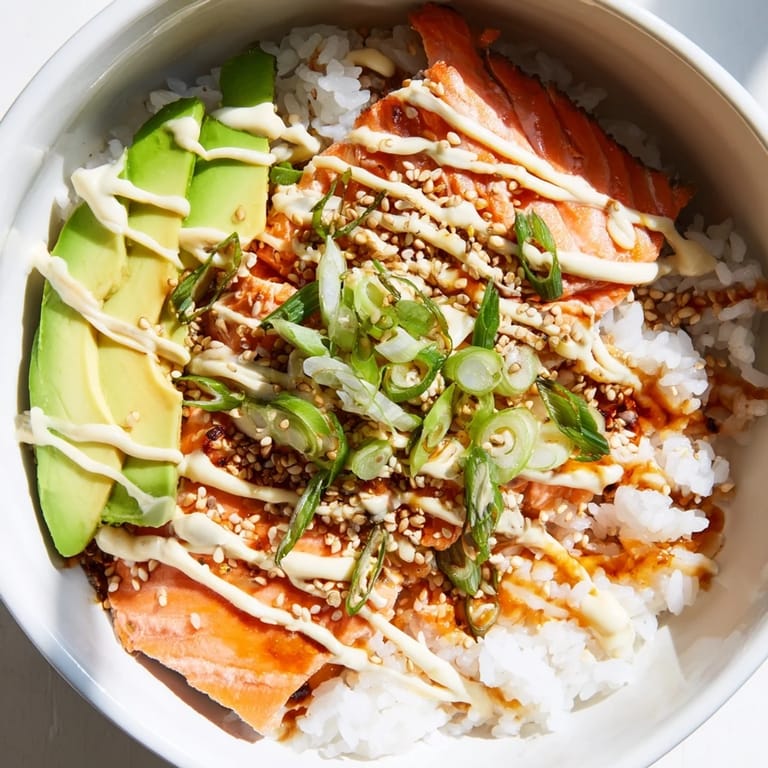
Pin There was a moment while eating this where I realized I wasn't thinking about whether I'd made it right or if it tasted restaurant-quality. I was just present, noticing the soft salmon, the way the nori added this unexpected crunch, how the cold avocado contrasted with the warm rice. That's when you know a recipe has done its job—when it stops being about technique and becomes about the meal itself.
Why Cold Leftover Rice Is Actually Better
Every time I've made this with fresh, hot rice, it turns gluey and loses its shape. But cold rice, especially day-old rice, holds its structure and absorbs the sauce more evenly. It sounds backwards until you try it, and then it makes complete sense—cold rice is denser and can handle the moisture without falling apart. This is one of those discoveries that changes how you approach using rice in general.
Building Flavor in Layers
The genius of this bowl is that nothing competes for attention—each ingredient has its own job. The soy sauce and sesame oil create a savory base, the mayo adds richness, the Sriracha brings heat if you want it, and the fresh toppings provide texture and brightness. It's like the difference between throwing all your seasoning in at once and building flavor thoughtfully, step by step. The order matters more than you'd expect.
Making It Your Own
This recipe is flexible in the best way possible, which means you can adapt it to whatever's in your fridge or whatever you're craving that day. I've added kimchi on mornings when I wanted something spicy, shredded carrots when I wanted more crunch, and cucumber when I wanted something cool and light. The structure stays the same, but the personality changes completely.
- Try brown rice if you want more fiber and a nuttier flavor than white rice provides.
- Use tamari instead of soy sauce if you're avoiding gluten, and the result tastes almost identical.
- Canned or smoked salmon works perfectly fine, so don't think you need fresh fish for this to be good.
 Pin
Pin This bowl taught me that some of the best meals come from the things you already have on hand, assembled with a little bit of thought and care. It's become one of those recipes I make when I want something satisfying but not complicated, which turns out to be more often than I expected.