 Pin
Pin My neighbor brought me a fillet of bass from his fishing trip, and I had no plan beyond pasta in the pantry. I grabbed lemons from the bowl on the counter, heated a pan, and let the butter melt into olive oil while the water boiled. The smell of garlic hitting warm fat filled the kitchen, and I knew I was onto something good. What started as improvisation became one of those meals I cook whenever I want something that feels both light and indulgent.
I made this for a small dinner party on a warm April evening, and everyone ate with the windows open and wine glasses sweating on the table. The fish flaked apart with just a fork, and the pasta had that glossy, silky coat that only comes from tossing it with a little starchy water. One friend asked for the recipe three times before dessert, and I realized it was the kind of meal that makes people feel taken care of. It wasnt fussy, but it felt special.
Ingredients
- White fish fillets: Sea bass or cod work perfectly here because they stay tender and mild, letting the lemon shine without competing for attention.
- Olive oil: Use a fruity, good quality oil since it becomes part of the sauce and you will taste it in every bite.
- Lemon zest and juice: Fresh lemons are essential, bottled juice turns this flat and the zest adds a brightness that transforms the whole dish.
- Spaghetti or linguine: Long pasta catches the sauce better than short shapes, and the texture when cooked al dente gives the dish structure.
- Garlic: Mince it fine and watch it closely so it never burns, just softens and perfumes the oil.
- Butter: It adds richness and helps the sauce cling to the pasta in a way olive oil alone cannot.
- Parmesan cheese: Grate it fresh for a nutty, salty finish that melts right into the warm noodles.
- Fresh parsley: It cuts through the richness and adds a pop of color that makes the plate look alive.
- Reserved pasta water: This starchy liquid is the secret to a sauce that coats instead of pools at the bottom of the bowl.
Tired of Takeout? 🥡
Get 10 meals you can make faster than delivery arrives. Seriously.
One email. No spam. Unsubscribe anytime.
Instructions
- Boil the pasta:
- Bring a large pot of salted water to a rolling boil and cook the spaghetti until it still has a slight bite in the center. Before draining, scoop out half a cup of that cloudy pasta water and set it aside.
- Prepare the fish:
- Pat the fillets completely dry with a towel, then rub them with olive oil, salt, pepper, and lemon zest so every surface is lightly coated. Preheat your grill pan until it is hot enough to sizzle when the fish touches it.
- Grill the fish:
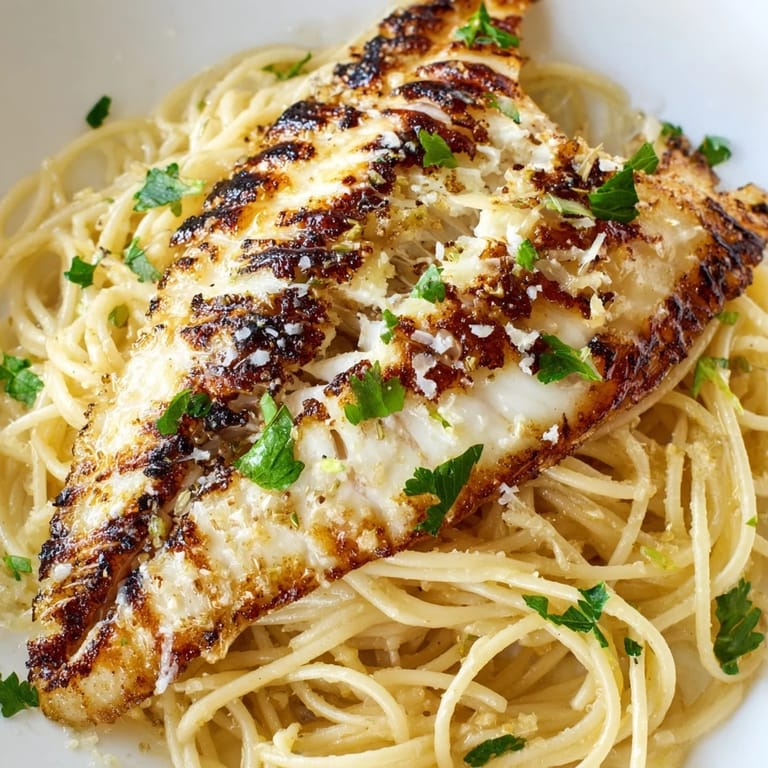
- Lay the fillets on the hot grill and let them cook undisturbed for three to four minutes per side until the flesh turns opaque and flakes easily. Tent them loosely with foil to keep warm while you finish the pasta.
- Start the sauce:
- Melt butter with olive oil in a large skillet over medium heat, then add the minced garlic and stir gently for about a minute until it smells sweet and fragrant. Do not let it brown or it will taste bitter.
- Add lemon and pasta:
- Stir in the lemon zest and juice, then add the drained pasta and toss everything together, adding splashes of reserved pasta water until the sauce looks glossy and coats each strand. Fold in the parsley and Parmesan, taste, and adjust the salt and pepper.
- Plate and serve:
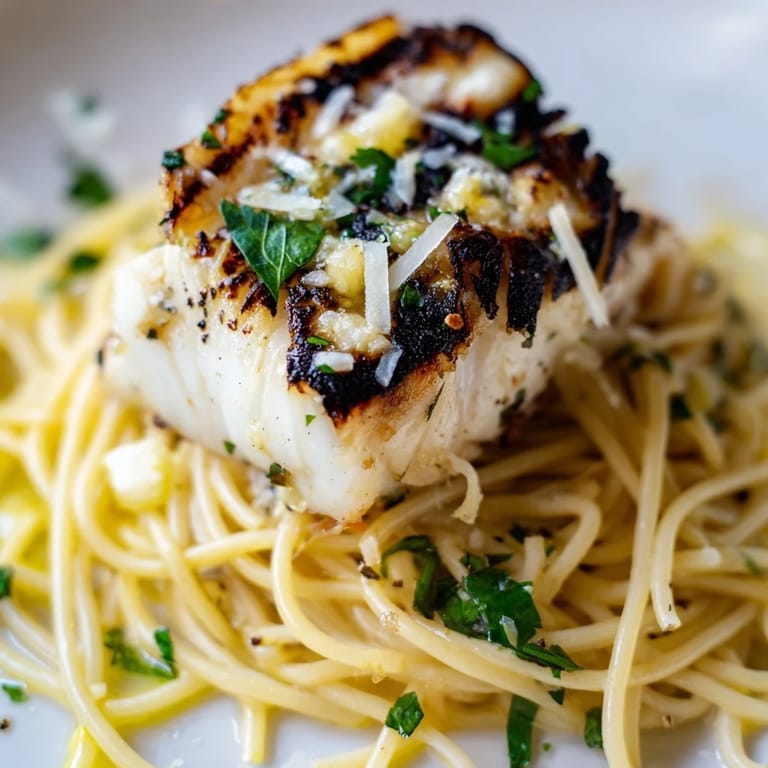
- Twist portions of pasta onto each plate, then place a grilled fish fillet on top. Garnish with lemon wedges, extra parsley, and a little more cheese if you like.
 Pin
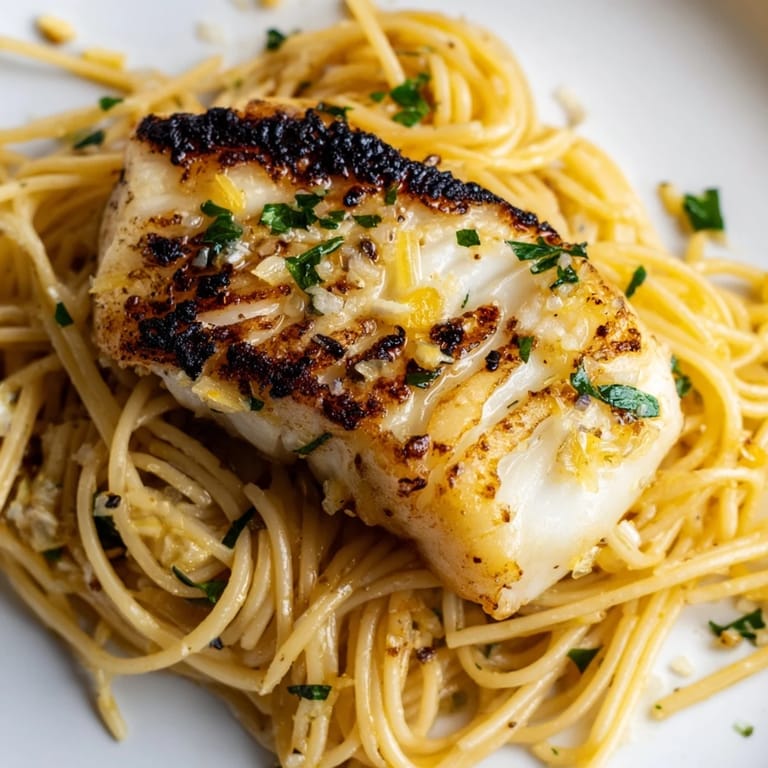
Pin The first time I plated this, I realized how much a dish can change depending on how you present it. I used tongs to twirl the pasta into a nest, set the fish on top, and added a wedge of lemon on the side. It looked like something you would order at a bistro, and that small effort made it taste even better. Sometimes the ritual of making food look intentional is part of what makes it memorable.
Choosing Your Fish
Sea bass is buttery and delicate, but cod, halibut, or even tilapia work just as well if you pick fillets that look firm and smell clean. I have learned to ask the fishmonger what came in that morning instead of sticking to a rigid plan. The fresher the fish, the less you need to do to it, and a simple lemon rub lets the natural flavor come through without masking it.
Getting the Sauce Right
The key is adding pasta water slowly, a few tablespoons at a time, while tossing the noodles over low heat. It should look creamy and coat the back of a spoon, not watery or greasy. I learned this the hard way after dumping in too much water at once and ending up with soup. Now I keep the measuring cup nearby and add just enough to bring everything together into a silky, cohesive sauce.
Serving Suggestions
This pairs beautifully with a simple arugula salad dressed in olive oil and lemon, or roasted asparagus if you want something warm on the side. I have served it with crusty bread for soaking up any extra sauce, and it never lasts long. A chilled white wine like Sauvignon Blanc or Pinot Grigio cuts through the richness and makes the whole meal feel elegant without trying too hard.
- Add a pinch of red pepper flakes to the garlic oil if you like a little heat.
- Use gluten free pasta and the dish works exactly the same way.
- Leftovers reheat gently in a skillet with a splash of water or broth to loosen the sauce.
 Pin
Pin This is the kind of recipe that makes weeknight cooking feel less like a chore and more like something to look forward to. It is fast, forgiving, and always tastes like you put in more effort than you actually did.
Recipe FAQ
- → What white fish works best for this dish?
Sea bass and cod are ideal choices for their mild, delicate flavor and firm texture that holds up well to grilling. Halibut, mahi-mahi, or snapper are excellent alternatives if these aren't available.
- → How do I prevent the fish from sticking to the grill?
Pat the fillets completely dry before grilling and ensure your grill pan or grates are well-oiled and preheated to medium-high heat. Oil the fish lightly rather than the grill surface for best results.
- → Can I make this dish without a grill?
Yes, you can pan-sear the fish in a hot skillet with olive oil for 3-4 minutes per side. Alternatively, bake at 400°F for 10-12 minutes until opaque and flaky.
- → Why is pasta water important in this sauce?
Starchy pasta water emulsifies with the butter and lemon juice, creating a silky, cohesive sauce that coats the noodles beautifully without needing cream. Start with less water and add more as needed.
- → How can I make this dairy-free?
Substitute plant-based butter for unsalted butter and omit the Parmesan cheese or use a dairy-free alternative. The lemon juice and pasta water will still create a flavorful, silky sauce.
- → What wine pairs well with this dish?
Crisp white wines like Sauvignon Blanc, Pinot Grigio, or Vermentino complement the bright lemon flavors and delicate fish perfectly. Avoid heavily oaked or buttery wines that would overpower the dish.