 Pin
Pin I discovered this little gem at a gallery opening, of all places—not in a cookbook or cooking show, but standing in front of a portrait where the artist had captured a woman's profile in stark silhouette. The appetizer table was doing something similar with cheese and olive paste, and I was immediately struck by how something so simple could feel like edible art. That evening, I decided I had to recreate it at home, not because it was complicated, but because it proved that presentation can transform the most humble ingredients into something that stops people mid-conversation.
I remember making this for my aunt's book club—a group that would definitely judge both the food and my taste in literature. I was nervous until someone held up their plate to the light and said the cameo effect looked like it belonged in a museum. After that, the conversation shifted entirely, and the cheese disappeared before we even got to the main course. It taught me that sometimes the most memorable meals aren't about complexity; they're about the moment when someone realizes you've made something beautiful just for them.
Ingredients
- Fresh goat cheese or cream cheese: The foundation of your cameo—choose something smooth and spreadable, and let it sit at room temperature for 10 minutes so it shapes easily without cracking.
- Black olive tapenade: This is where the silhouette magic happens; if you can't find quality store-bought, making your own takes five minutes and tastes infinitely better.
- Rustic baguette or gluten-free crackers: These are optional but highly recommended as a vehicle; they turn the cheese from a bite into an experience.
- Fresh herbs like thyme or chives: The final whisper of flavor that ties everything together and catches the light beautifully.
- Extra virgin olive oil: Don't skip this; the quality matters because it's one of only a handful of ingredients doing the heavy lifting here.
Tired of Takeout? 🥡
Get 10 meals you can make faster than delivery arrives. Seriously.
One email. No spam. Unsubscribe anytime.
Instructions
- Shape your cheese into medallions:
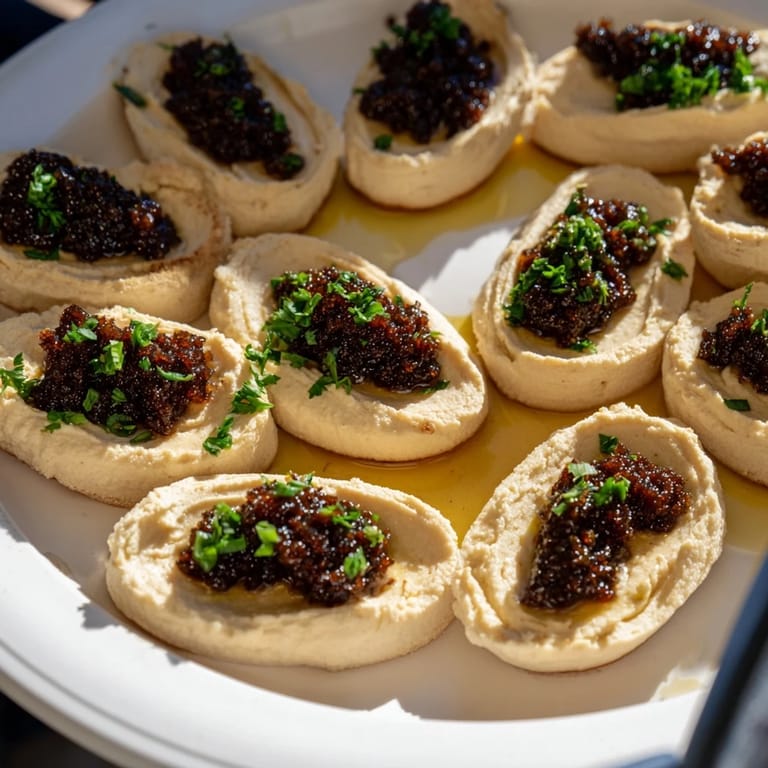
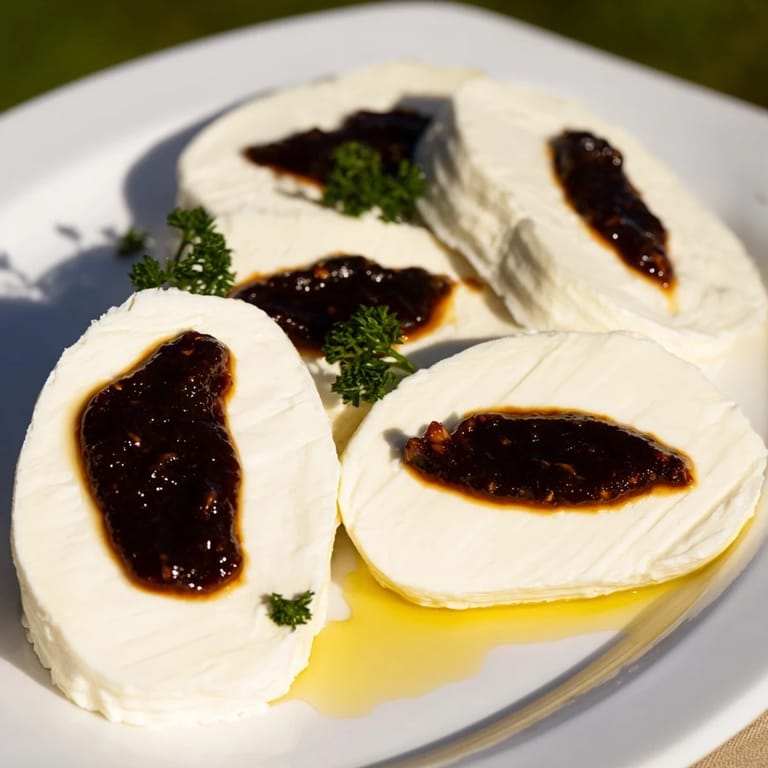
- Scoop or gently press the cheese into four thick ovals about 2 centimeters tall—think of shaping a smooth stone. You want them substantial enough to hold the tapenade without falling apart, so take your time and don't overwork the cheese.
- Create the cameo effect:
- Using the back of a spoon or a small spatula, spread a thin, deliberate layer of tapenade across the top of each cheese oval, leaving some cream visible around the edges. If you're feeling artistic, use a stencil or freehand a profile—the imperfection is part of the charm.
- Finish with oil and herbs:
- Drizzle a light ring of olive oil around each cameo and scatter your chopped herbs over the top, letting some fall onto the plate for visual interest. This is where the dish goes from simple to sophisticated.
- Serve with intention:
- Present immediately on individual plates or on pieces of toasted bread, depending on your mood and your guests. The cheese will soften as it sits, so timing is everything.
 Pin
Pin There's something quietly powerful about watching someone's face when they realize you've plated something beautiful and unexpected. It's not just about eating; it's about the moment they slow down, really look at what's in front of them, and taste it with intention. That shift in attention is what this dish creates, and it's worth every bit of the tiny effort it takes to make.
Making It Your Own
This recipe is a canvas, not a rulebook. I've served it with roasted red pepper instead of olive tapenade, swapped the herbs depending on what's fresh, and even experimented with different cheeses—a creamy ricotta gives it a softer look, while a firmer chèvre holds sharper lines. The only real rule is that you need contrast between the cheese and what you're spreading on top, so the silhouette actually reads.
Preparing Ahead
If you're hosting, you can shape the cheese medallions up to two hours ahead and keep them chilled; the tapenade can be spread just before serving, or guests can do it themselves if you want an interactive element. I've found that having everything prepped but the final assembly waiting until the last moment keeps everything looking fresh and pristine.
Serving Suggestions & Wine Pairing
This appetizer sits beautifully on the table alongside cured meats, nuts, and fresh fruit—it's elegant without demanding attention from other dishes. A crisp Sauvignon Blanc or a light Pinot Noir works perfectly, but honestly, champagne is never wrong with something this refined. If you're building a larger board, arrange the cameos in a line so they form a pattern, and suddenly you've got an edible installation.
- Serve on its own as a sophisticated first course, or tuck it into a larger charcuterie spread for contrast and visual intrigue.
- Make extras if you're feeding more than four—people always ask for seconds once they realize how elegant yet effortless it is.
- Pair with something sparkling to emphasize the refined nature of the dish and keep guests in a celebratory mood.
 Pin
Pin This dish reminds me that not everything needs hours in the kitchen to feel special. Sometimes the most impressive moments come from paying attention to what you're making and trusting that simplicity, when done with care, is its own kind of art.
Recipe FAQ
- → What cheese works best for the Victorian Cameo?
Fresh goat cheese (chèvre) or cream cheese provide the creamy texture and mild flavor ideal for complementing the olive tapenade.
- → Can I make the tapenade at home?
Yes, blend pitted black olives with garlic, capers, lemon juice, and olive oil for a smooth homemade tapenade.
- → How should the cheese be shaped?
Form the cheese into oval medallions about 2 cm thick to create the cameo silhouette when topped with tapenade.
- → What garnishes enhance this dish?
Fresh herbs like thyme or chives and a drizzle of extra virgin olive oil add aroma and flavor depth.
- → Are there gluten-free options?
Serve the cheese and tapenade on gluten-free crackers instead of bread to keep it gluten-free.
- → What beverages pair well with this dish?
A crisp Sauvignon Blanc or a light Pinot Noir complements the creamy and savory flavors beautifully.